Find aircraft background, systems descriptions and manuals for the aircraft you are researching. Each note keeps its source and version context close by.
Simulator manuals describe the developer’s implementation. Aircraft background is research-based; pilot accounts describe an individual’s experience. Coverage here is limited to the selected notes and linked resources, not the full contents of every manual.
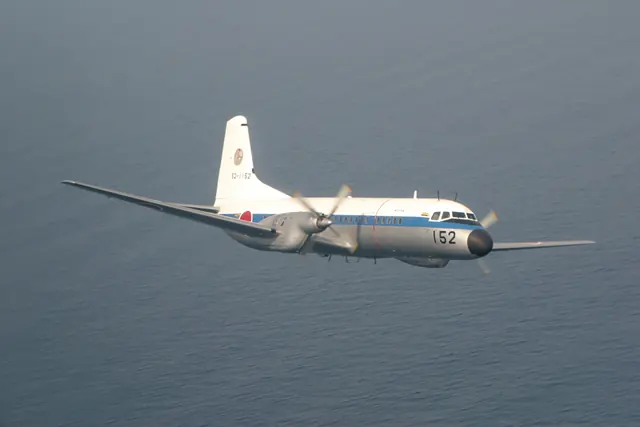
NAMC YS-11
NAMC developed the YS-11 as a pressurised, low-wing regional airliner with Rolls-Royce Dart turboprops. It brought Japan's postwar aircraft industry into the market connecting smaller cities as airlines moved from piston engines to turbine power.
Airlines used the YS-11 for passengers and freight. Military operators in Japan and Greece also employed the family in transport, surveillance and electronic-warfare roles.
Aircraft family
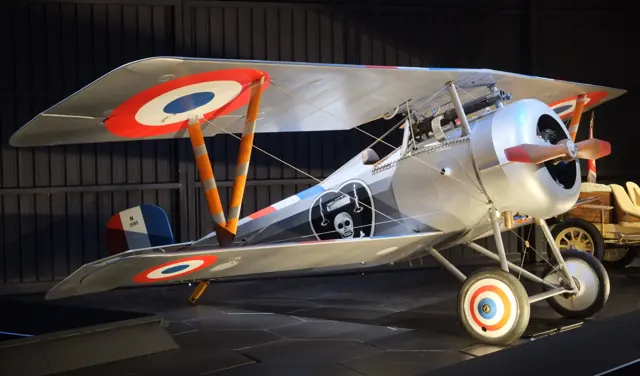
Nieuport 17
The Nieuport 17 developed from the Nieuport 11 into a First World War fighter with a smaller lower wing beneath its main upper wing. Big Radials’ history section records its introduction in March 1916 and its early presence on the French-German front. That unequal-wing, or sesquiplane, arrangement is a central part of its recognizable outline.
The documented simulator cockpit has mechanical stick control, a rotary piston engine, fixed wheels and a tailskid. Its blip switch interrupts combustion rather than behaving like a modern throttle. The complete cockpit layout in the manual contains no in-flight trim control, flap installation or wheel brakes, leaving the pilot with the basic stick, pedals and engine controls.
Manual history · Nieuport 17 · Big Radials configuration
Nieuport 24 — native MSFS 2024 · Flysimware · MSFS 2024
Preflight and aircraft wear
The native 2024 product adds wear tracking, surface dirt effects and preflight inspection items. Flysimware lists control-surface checks and removable covers, and identifies a separate 2024 manual. Its published engine ratings differ between the product description and manual, so no single rating is inferred here.
Official 2024 product description
Nieuport 24 / 24bis
The Nieuport 24 developed the French scout family with a revised fuselage and tail, retaining the small lower wing and V-shaped struts of its sesquiplane layout. The 24bis used an earlier-style tail.
The aircraft served as a fighter and advanced trainer in the First World War. Modern reproductions can use different engines and materials; the selected pilot account concerns a reproduction.
Ten Antique Airplanes and the Pilots Who Dare to Fly Them
Nieuport 24 reproduction with a modern engine. Interview by Phil Scott, Air & Space, April–May 2016.
Nord 1101 Ramier
Restauravia's Nord 1101 uses a Renault 6Q piston engine and a variable-pitch propeller. Its landing gear retracts hydraulically, and the flaps have 15, 30 and 50 degree settings. A pitch-compensator lever is provided in the cockpit.
Nord 1101 Ramier
Nord 3202
The Nord 3202 manual describes a 260 hp Potez 4D34B engine, three-blade propeller and fixed tailwheel landing gear. Slotted flaps and metric cockpit instruments are part of the configuration. Diagrams identify elevator and rudder trim.
Nord 3202
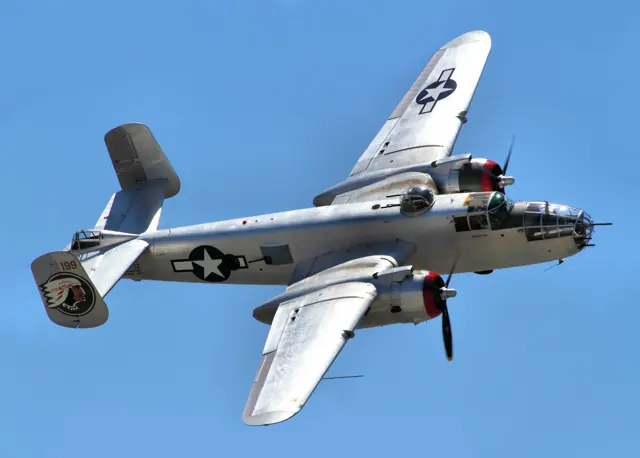
North American B-25 Mitchell
North American designed the B-25 Mitchell as a twin-engine medium bomber. Its name honours William Mitchell, an advocate for American military aviation. Multiple wartime versions carried different mission equipment. The simulator product identifies its represented version and simulator generation.
North American P-51 Mustang
North American designed the Mustang for a British requirement in 1940. Early aircraft used Allison engines; Merlin-powered developments became associated with long-range escort missions. The P-51D introduced the familiar bubble-canopy configuration.
Postwar service was followed by civilian display and racing. Racing Mustangs can carry extensive modifications, with equipment and handling that differ from wartime or restored warbird configurations.
Aircraft / family
North American T-6 Texan
The T-6 family combined a radial engine, low wing and tandem cockpits for advanced pilot training. British Commonwealth forces knew it as the Harvard, while US Navy service used the SNJ designation.
Civilian warbird flying and air racing followed its military career. National production variants and restored aircraft can differ in equipment, including modern cockpit additions.
Aircraft / family
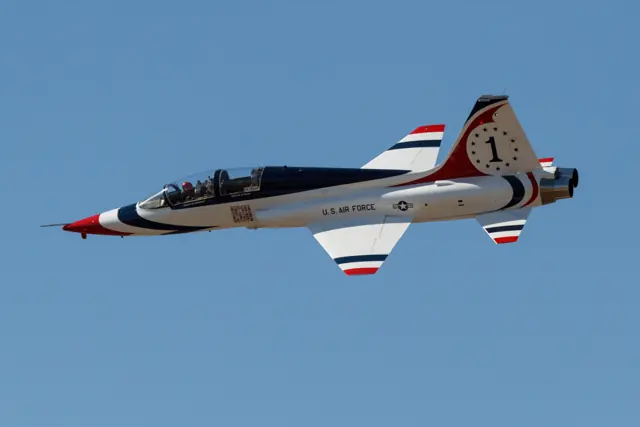
Northrop T-38 Talon
The T-38 grew from Northrop's lightweight supersonic aircraft work. Tandem seats, a thin swept wing and two General Electric J85 engines formed the advanced trainer's layout. The prototype first flew in April 1959, and the T-38A entered US Air Force service in 1961.
NASA also used the Talon for training and support. Microsoft's Famous Flyer 13 represents the early production T-38A, without the later T-38C cockpit upgrades.
T-38 specification, USAF January 2014
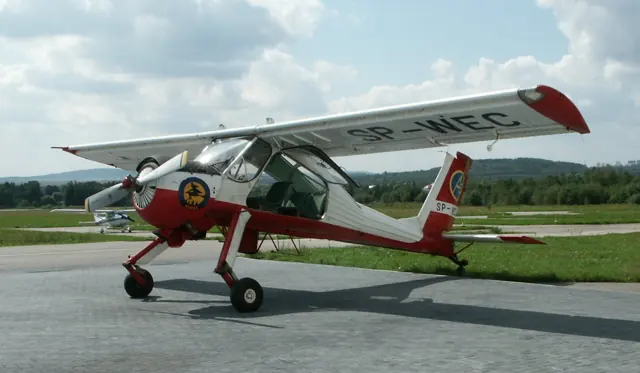
PZL-104 Wilga · Thranda · Thranda · X-Plane 12 · X-Plane 11
The earlier package offers adjustable realism and an electric tug
The X-Plane 11 listing includes simplified or realistic engine and tailwheel settings, checklist popups, and a controllable electric tug for moving the aircraft.
X-Plane 11 Wilga feature list