X-Plane
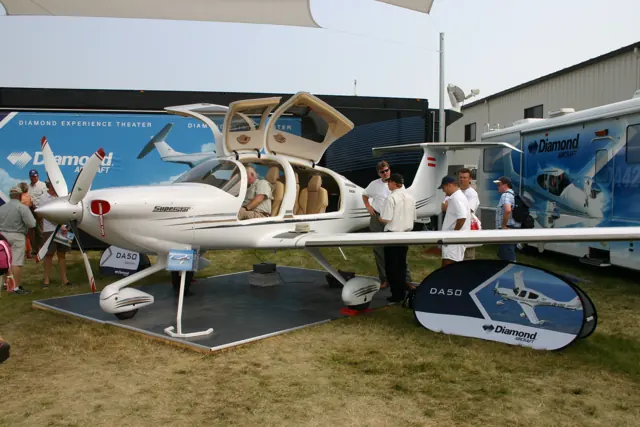
Diamond DA50 ↗
A five-seat composite single whose development led to the diesel DA50 RG.
1 implementations+ Compare
Explore the aircraft. Find your simulator. Follow the sources.
A five-seat composite single whose development led to the diesel DA50 RG.
A single-engine utility helicopter known as the Écureuil, Squirrel and AStar.
A post-war Czech light twin with a rounded cabin and engines carried on a low wing.
A hybrid-electric regional-airliner concept represented in the simulator while the real programme develops.
Diamond's four-seat light twin, developed with diesel-powered versions.
An open, single-seat ultralight with its propeller behind the pilot.
The fixed-gear, six-cylinder touring branch of Piper's PA-28 family.
A high-wing utility turboprop designed for short-field passenger and cargo work.
A wartime fighter developed from the earlier Curtiss P-36.
A heavy-lift helicopter built around an open frame and an external working load.
A family of single-aisle airliners built around sidesticks, electronic flight controls and a shared cockpit.
A four-engine military turboprop designed to combine tactical access with long-distance transport.
A pressurised four-engine piston transport from the last major generation before the jet airliner.
A compact utility helicopter distinguished by its enclosed Fenestron tail rotor.
The Wilga is the real-aircraft starting point for Mike Patey's DRACO and the simulator's DRACO X.
An open-cockpit biplane trainer that found a second life in civilian flying.
An all-metal sport and touring aircraft from Bayerische Flugzeugwerke.
An unpowered military cargo glider designed to deliver troops and equipment behind a tow aircraft.
A purpose-built agricultural aircraft that also became a single-engine air tanker.
A four-engine jetliner that helped establish the shape of long-distance jet travel.
Cessna's unusual piston-powered helicopter, marketed as the Skyhook.
A pressurised single-engine turboprop family that combines a compact cabin with retractable gear.
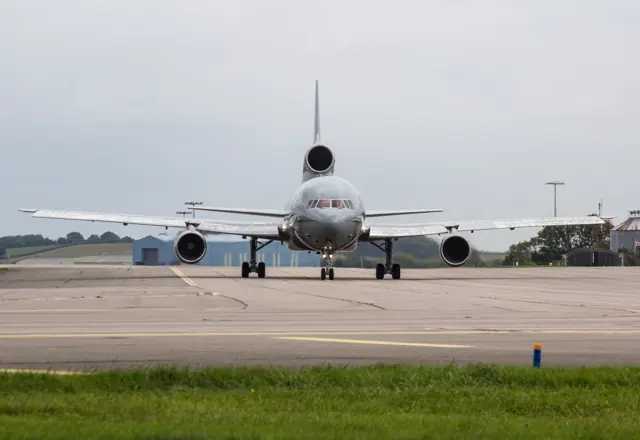
Lockheed's wide-body TriStar, with three RB211 engines and a distinctive tail intake.
This is AirframeDB’s first release. More features and aircraft research are planned. Leave your email if you’d like occasional updates.