MSFS
ATR 42-600 / 72-600 ↗
Regional flying built around a high wing, two turboprops and short sectors.
1 implementations+ Compare
Explore the aircraft. Find your simulator. Follow the sources.
Regional flying built around a high wing, two turboprops and short sectors.
A utility-aircraft family whose stretched 207 branch trades compact proportions for more cabin space.
A four-engine Airbus wide-body developed in parallel with the A330.
A heavy-lift helicopter built around an open frame and an external working load.
A wartime fighter developed from the earlier Curtiss P-36.
A rear-engined trijet built to bring jet service to shorter routes and smaller airports.
A pressurised twin turboprop with a canard, composite airframe and rear-facing propellers.
The four-engine Flying Fortress, a major American bomber of the Second World War.
A cabin biplane with the lower wing placed ahead of the upper one.
A specialised reconnaissance aircraft designed for very high altitude and sustained supersonic flight.
A push-pull twin with one engine at each end of the central fuselage.
A four-seat, pressurised kit aircraft with a composite airframe and retractable landing gear.
The Wilga is the real-aircraft starting point for Mike Patey's DRACO and the simulator's DRACO X.
The four-engine wide-body whose raised flight deck created one of aviation's most recognisable profiles.
A high-wing utility turboprop designed for short-field passenger and cargo work.
A twin-engine business jet designed to retain some of the utility flexibility associated with the PC-12.
A post-war Businessliner with a radial engine, cabin transport ambitions and tailwheel gear.
A low-wing piston family that spans simple trainers, touring aircraft and retractable-gear Arrows.
A two-seat composite light-aircraft family with a high wing and a compact enclosed cabin.
A light turbine helicopter whose land-based Scout and naval Wasp branches served different jobs.
A four-seat kit-built touring aircraft that expanded the RV family beyond two-seat designs.
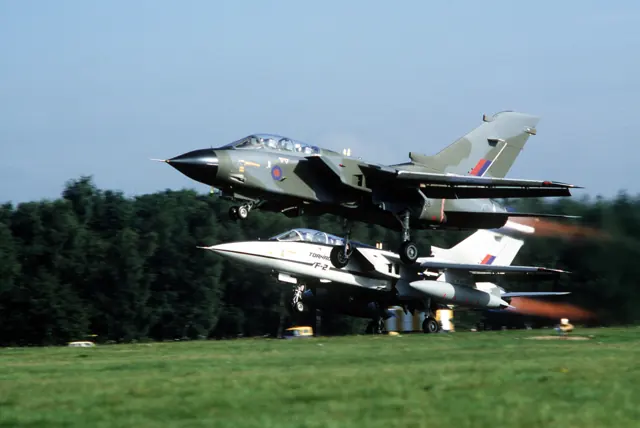
A European variable-sweep combat-aircraft family with distinct strike and interceptor versions.
A tandem-seat jet trainer that also found a second life in civilian display and racing.
The second-generation Harrier, designed around vectored thrust and short-field operation.
This is AirframeDB’s first release. More features and aircraft research are planned. Leave your email if you’d like occasional updates.