MSFS
Airbus Helicopter H225 ↗
A large twin-engine helicopter from the Super Puma line, used for offshore and public-service work.
1 implementations+ Compare
Explore the aircraft. Find your simulator. Follow the sources.
A large twin-engine helicopter from the Super Puma line, used for offshore and public-service work.
A jet-powered military transport designed for both strategic loads and tactical airfield access.
A hybrid-electric regional-airliner concept represented in the simulator while the real programme develops.
A four-bladed utility helicopter developed from the LongRanger lineage.
A corrugated-metal, three-engine transport from the formative years of airline travel.
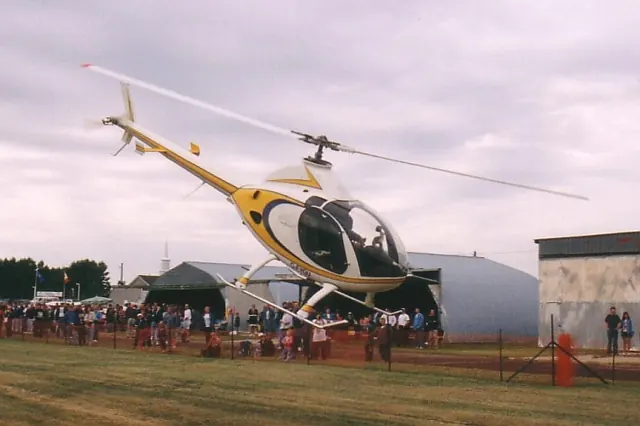
RotorWay's two-seat kit-helicopter family, with piston and turbine simulator interpretations.
A military transport developed from the DC-3, used for cargo, troops, parachuting and glider towing.
A very light twin jet developed from the Eclipse 500.
A twin-radial military transport with a rear ramp and short-field design priorities.
A stretched development of the DC-9 with rear-mounted engines and a five-abreast cabin.
A carrier-capable multirole fighter, larger than the earlier Hornet from which it developed.
A two-seat training single with a high wing and fixed tricycle landing gear.
A British utility twin built around short regional and practical transport work.
A two-seat composite trainer with a low wing and a large canopy.
A small twin-engine amphibian that moved from business transport into military and utility service.
A cabin biplane with the lower wing placed ahead of the upper one.
A pressurised single-engine turboprop family that combines a compact cabin with retractable gear.
A radial-engined utility aircraft closely associated with bush flying and float operations.
SOCATA's touring-aircraft family, including the Tobago and Trinidad.
An enlarged Velocity kit aircraft with a canard and rear-mounted pusher propeller.
A four-abreast regional-jet family spanning the E170, E175, E190 and E195.
A fixed-wing observation aircraft with a helicopter-like view from its glazed nose.
The CJ4 belongs to Cessna's light-jet line, with two rear-mounted engines and a T-tail.
A close-air-support aircraft with a straight wing, twin tail and two widely separated jet engines.
This is AirframeDB’s first release. More features and aircraft research are planned. Leave your email if you’d like occasional updates.