MSFS
Cessna CH-1 Skyhook ↗
Cessna's unusual piston-powered helicopter, marketed as the Skyhook.
1 implementations+ Compare
Explore the aircraft. Find your simulator. Follow the sources.
Cessna's unusual piston-powered helicopter, marketed as the Skyhook.
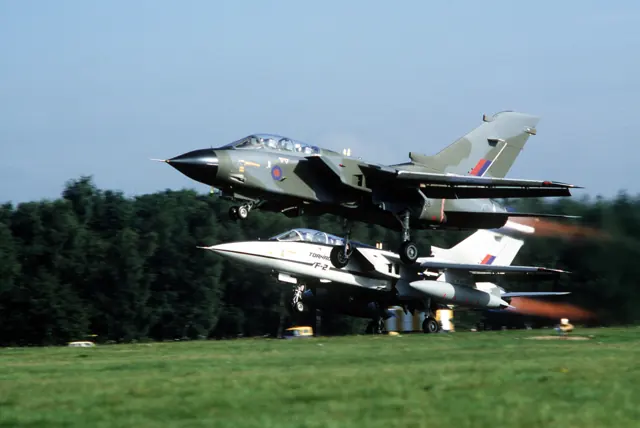
A European variable-sweep combat-aircraft family with distinct strike and interceptor versions.
A Canadian tandem-seat trainer developed after the Second World War.
Epic's experimental light-jet project, represented in simulation by Aerobask.
A four-engine jetliner that helped establish the shape of long-distance jet travel.
A pressurised single turboprop with a large cargo door and a broad range of working roles.
A specialised reconnaissance aircraft designed for very high altitude and sustained supersonic flight.
A long-range fighter whose different engine and canopy developments produced several distinct forms.
A rear-engined trijet built to bring jet service to shorter routes and smaller airports.
A push-pull twin with one engine at each end of the central fuselage.
A four-engine military turboprop designed to combine tactical access with long-distance transport.
The four-engine Flying Fortress, a major American bomber of the Second World War.
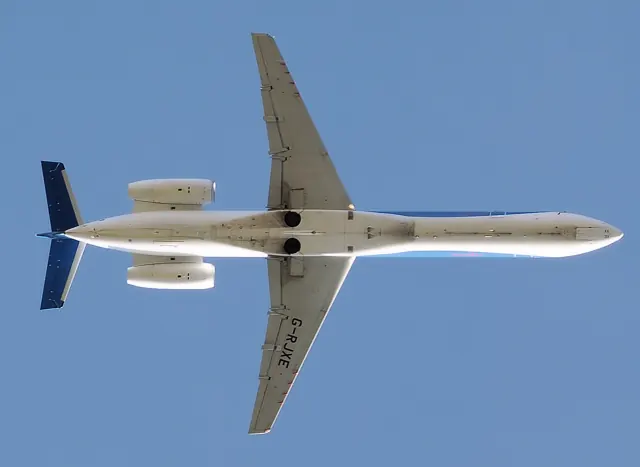
Embraer's regional-jet family, from the ERJ 135 to the longer ERJ 145.
An enlarged Velocity kit aircraft with a canard and rear-mounted pusher propeller.
A streamlined twin-engine helicopter with a Fenestron tail rotor and retractable landing gear.
Cessna's retractable-gear Centurion, a high-wing touring aircraft.
A utility-aircraft family whose stretched 207 branch trades compact proportions for more cabin space.
A four-seat, pressurised kit aircraft with a composite airframe and retractable landing gear.
A twin-engine utility helicopter with roots in the BK 117 and EC145 families.
A single-seat competition sailplane offered in Standard and 18-metre configurations.
A retractable-gear touring single with an all-metal airframe and a long-lived enthusiast following.
A corrugated-metal transport best known in its three-engine form.
A twin-turboprop family whose smaller conventional-tail and larger T-tail branches have distinct identities.
This is AirframeDB’s first release. More features and aircraft research are planned. Leave your email if you’d like occasional updates.