MSFS
Douglas DC-3 ↗
A twin-radial airliner that helped make practical passenger transport a regular business.
2 implementations+ Compare
Explore the aircraft. Find your simulator. Follow the sources.
A twin-radial airliner that helped make practical passenger transport a regular business.
The JetRanger and LongRanger family: a familiar turbine-helicopter shape with distinct cabin lengths.
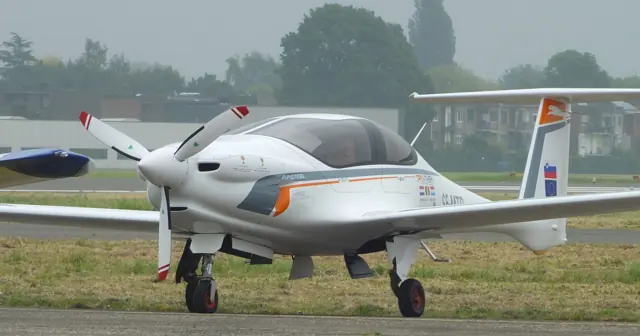
Pipistrel's streamlined four-seat composite-aircraft design.
A large amphibious flying boat built around maritime rescue and utility transport.
Beechcraft's Model 76, designed to introduce pilots to twin-engine flying.
A two-seat Tecnam high-wing aircraft combining composite and metal construction.
A lightweight pusher family with an enclosed cabin and a high, braced wing.
A rear-engined trijet built to bring jet service to shorter routes and smaller airports.
A corrugated-metal transport best known in its three-engine form.
The Stationair utility family, combining a high wing with fixed landing gear.
A utility piston twin designed for commuter and specialist transport missions.
A six-engine flying boat created for long-distance passenger travel over water.
A First World War trainer that became a familiar sight in the barnstorming era.
A two-seat training single with a high wing and fixed tricycle landing gear.
Tecnam's four-seat high-wing single, built with metal and carbon-fibre components.
A modern utility single whose family includes both tailwheel and nosewheel configurations.
A radial-engine trainer that also served in combat and civilian warbird roles.
A 1920s transport family that developed from a single-engine airliner into a trimotor.
A modern two-seat piston helicopter designed around the training role.
A two-seat composite trainer with a low wing and a large canopy.
A four-bladed utility helicopter developed from the LongRanger lineage.
A modern composite twin with a roomy cabin and two wing-mounted piston engines.
The purpose-built Ryan monoplane used by Charles Lindbergh for his 1927 solo Atlantic crossing.
A personal jet with one engine above the rear fuselage and a distinctive V-tail.
This is AirframeDB’s first release. More features and aircraft research are planned. Leave your email if you’d like occasional updates.