X-Plane
Aero-Works Aerolite 103 ↗
An open, single-seat ultralight with its propeller behind the pilot.
2 implementations+ Compare
Explore the aircraft. Find your simulator. Follow the sources.
An open, single-seat ultralight with its propeller behind the pilot.
A large twin-engine helicopter from the Super Puma line, used for offshore and public-service work.
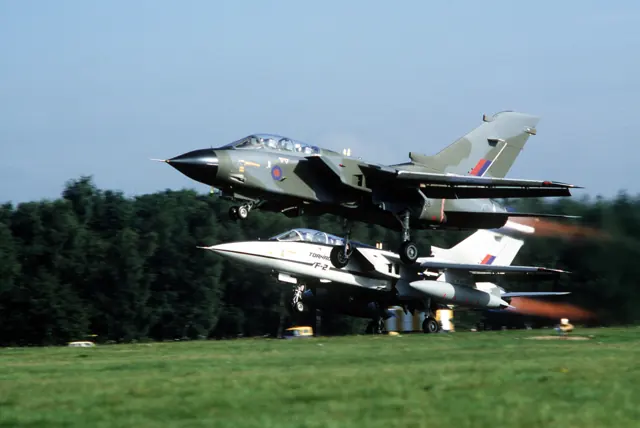
A European variable-sweep combat-aircraft family with distinct strike and interceptor versions.
A short-field Savage with leading-edge slats and a distinct Got Friends simulator implementation.
SOCATA's touring-aircraft family, including the Tobago and Trinidad.
A modern two-seat piston helicopter designed around the training role.
A wartime fighter developed from the earlier Curtiss P-36.
A modern medium twin-engine helicopter developed as a successor to the Dauphin line.
A very light twin jet developed from the Eclipse 500.
A large long-haul twin that introduced Boeing's first commercial fly-by-wire airliner flight controls.
A cabin biplane with the lower wing placed ahead of the upper one.
A box-shaped utility twin whose cabin and rear access are central to its design.
A Polish utility aircraft designed for short takeoffs and landings.
A small two-seat piston helicopter with a two-bladed main rotor.
A long-range twin whose programme emphasised composite construction and more electrically powered systems.
A compact rear-engined jet designed for short-haul regional airline work.
TorqueSim's Pocket Rocket, a simulated PT6-powered light aircraft with two gear layouts.
An Italian light aircraft known for military training and aerobatic use.
A full-length double-deck airliner built for very high passenger capacity.
A four-seat, pressurised kit aircraft with a composite airframe and retractable landing gear.
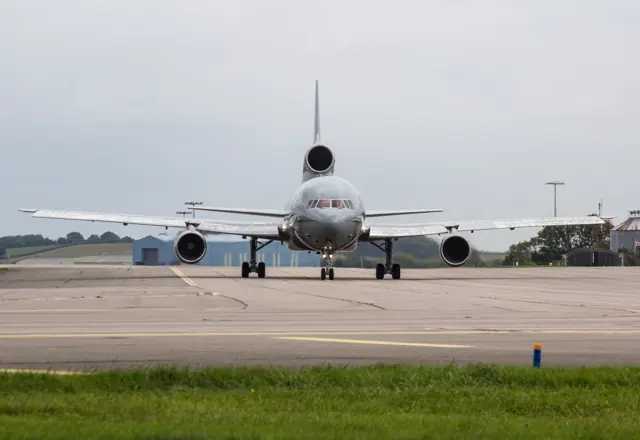
Lockheed's wide-body TriStar, with three RB211 engines and a distinctive tail intake.
A radial-engine trainer that also served in combat and civilian warbird roles.
The Mitchell medium bomber, named for aviation advocate Billy Mitchell.
A personal jet with one engine above the rear fuselage and a distinctive V-tail.
This is AirframeDB’s first release. More features and aircraft research are planned. Leave your email if you’d like occasional updates.