X-Plane
Cessna 206 Stationair ↗
The Stationair utility family, combining a high wing with fixed landing gear.
1 implementations+ Compare
Explore the aircraft. Find your simulator. Follow the sources.
The Stationair utility family, combining a high wing with fixed landing gear.
A wide-cabin business-jet family that developed from Canadair's original Challenger programme.
An advanced trainer known around the world as the Texan, Harvard and SNJ.
The Wilga is the real-aircraft starting point for Mike Patey's DRACO and the simulator's DRACO X.
A carrier-capable multirole fighter, larger than the earlier Hornet from which it developed.
A modern two-seat piston helicopter designed around the training role.
A modern composite twin with a roomy cabin and two wing-mounted piston engines.
A corrugated-metal, three-engine transport from the formative years of airline travel.
Epic's experimental light-jet project, represented in simulation by Aerobask.
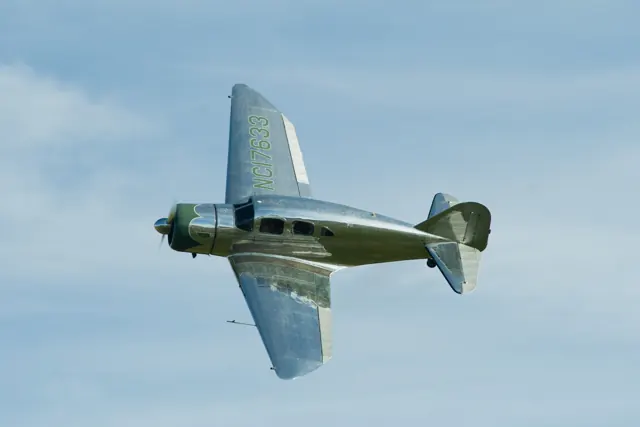
A late-1930s cabin aircraft with metal construction and retractable landing gear.
Dassault's long-range Falcon 8X, developed from the three-engine 7X.
Cirrus's first type-certified aircraft, a composite piston single.
A large twin-radial transport that carried heavy loads through wartime and post-war freight service.
Tecnam's two-seat, low-wing Sierra, introduced in the early 2000s.
A utility-aircraft family whose stretched 207 branch trades compact proportions for more cabin space.
A self-launching sailplane family with its engine inside the fuselage and a folding nose propeller.
A compact aerobatic biplane family with both single-seat and tandem-seat branches.
A twin-radial military transport with a rear ramp and short-field design priorities.
A modern medium twin-engine helicopter developed as a successor to the Dauphin line.
The second-generation Harrier, designed around vectored thrust and short-field operation.
A fixed-gear twin turboprop with a long history in regional and remote-area transport.
A wooden touring-aircraft family recognisable by the upward-angled outer wing panels.
A cabin biplane with the lower wing placed ahead of the upper one.
This is AirframeDB’s first release. More features and aircraft research are planned. Leave your email if you’d like occasional updates.