X-Plane
Cessna 210 Centurion ↗
Cessna's retractable-gear Centurion, a high-wing touring aircraft.
1 implementations+ Compare
Explore the aircraft. Find your simulator. Follow the sources.
Cessna's retractable-gear Centurion, a high-wing touring aircraft.
A two-seat Tecnam high-wing aircraft combining composite and metal construction.
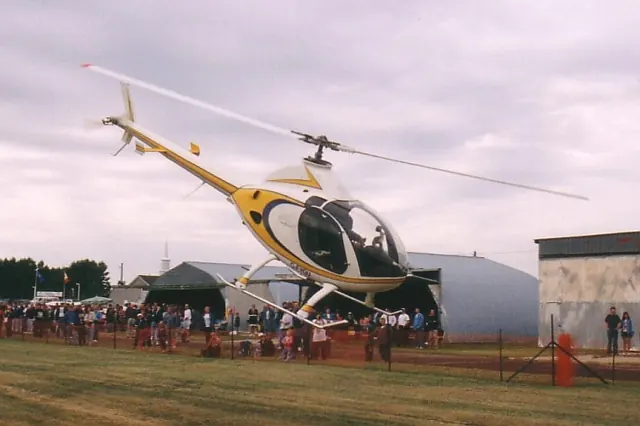
RotorWay's two-seat kit-helicopter family, with piston and turbine simulator interpretations.
A four-engine Airbus wide-body developed in parallel with the A330.
A DC-10-derived tanker that combined aerial refuelling with passenger and cargo transport.
A high-wing utility aircraft known for short-field work and a broad choice of working configurations.
A carrier-capable multirole fighter, larger than the earlier Hornet from which it developed.
A two-seat composite kit aircraft developed from the Lancair 320.
A twin-radial airliner that helped make practical passenger transport a regular business.
A streamlined twin-engine helicopter with a Fenestron tail rotor and retractable landing gear.
A compact rear-engined jet designed for short-haul regional airline work.
A twin-aisle Boeing designed alongside the 757's generation of two-pilot flight decks.
A small three-engine demonstrator created to explore technologies for a future supersonic airliner.
A four-engine airliner whose history also includes long-range maritime military service.
A hybrid-electric regional-airliner concept represented in the simulator while the real programme develops.
A tandem two-seat sailplane family used for training and cross-country soaring.
A fixed-wing observation aircraft with a helicopter-like view from its glazed nose.
The Wilga is the real-aircraft starting point for Mike Patey's DRACO and the simulator's DRACO X.
A tandem-seat jet trainer that also found a second life in civilian display and racing.
A wide-cabin business-jet family that developed from Canadair's original Challenger programme.
Beechcraft's Model 76, designed to introduce pilots to twin-engine flying.
A small twin-engine amphibian that moved from business transport into military and utility service.
A four-seat high-wing single that spans generations of conventional instruments and glass cockpits.
The purpose-built Ryan monoplane used by Charles Lindbergh for his 1927 solo Atlantic crossing.
This is AirframeDB’s first release. More features and aircraft research are planned. Leave your email if you’d like occasional updates.