MSFS
CAP 4 Paulistinha ↗
A Brazilian light trainer with a high wing, tandem seats and a simple utility layout.
2 implementations+ Compare
Explore the aircraft. Find your simulator. Follow the sources.
A Brazilian light trainer with a high wing, tandem seats and a simple utility layout.
A tandem-seat jet trainer that also found a second life in civilian display and racing.
A retractable-gear touring single with an all-metal airframe and a long-lived enthusiast following.
A stretched development of the DC-9 with rear-mounted engines and a five-abreast cabin.
A powered hang-glider wing above an amphibious inflatable boat.
A late-war single-seat jet fighter with its engine mounted above the fuselage.
A twin-radial airliner that helped make practical passenger transport a regular business.
A two-seat composite trainer with a low wing and a large canopy.
The tip-tanked turbofan Learjets, combining the classic compact airframe with longer range and careers in business, military and medical flying.
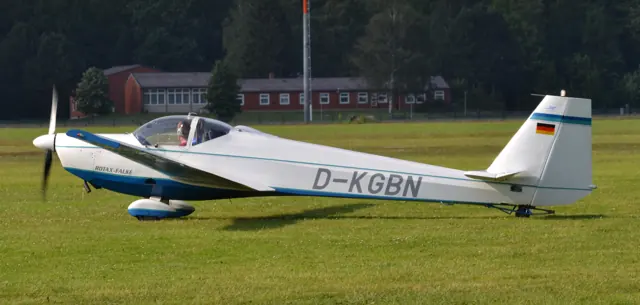
A side-by-side touring motorglider used for both powered flying and soaring.
Two related Dutch regional jets developed from the F28 lineage.
A carbon-fibre aerobatic monoplane family with a dedicated air-racing branch.
BRM Aero's two-seat B23, represented in MSFS by Airfoillabs.
A radial-engined utility aircraft closely associated with bush flying and float operations.
A 1920s transport family that developed from a single-engine airliner into a trimotor.
A British utility twin built around short regional and practical transport work.
A two-seat Tecnam high-wing aircraft combining composite and metal construction.
An experimental twin-boom racing aircraft commissioned by Bob Pond and designed by Burt Rutan.
Airbus's first production aircraft, built around a twin-engine wide-body layout.
The Stationair utility family, combining a high wing with fixed landing gear.
A large twin-engine helicopter from the Super Puma line, used for offshore and public-service work.
An experimental French helicopter with two coaxial, counter-rotating rotors.
A long-range twin whose programme emphasised composite construction and more electrically powered systems.
A light amphibian with a hull, retractable wheels and a pusher propeller.
New aircraft, useful sources and improvements to AirframeDB. Occasional updates, when there’s something to share.