MSFS
Airbus Helicopter H225 ↗
A large twin-engine helicopter from the Super Puma line, used for offshore and public-service work.
1 implementations+ Compare
Explore the aircraft. Find your simulator. Follow the sources.
A large twin-engine helicopter from the Super Puma line, used for offshore and public-service work.
A two-seat amphibian with a flying-boat hull and a pusher engine above the cabin.
A tailwheel utility aircraft with a high wing and a large cabin loading door.
A midsize business jet developed by Bombardier’s Learjet division.
A four-engine military turboprop designed to combine tactical access with long-distance transport.
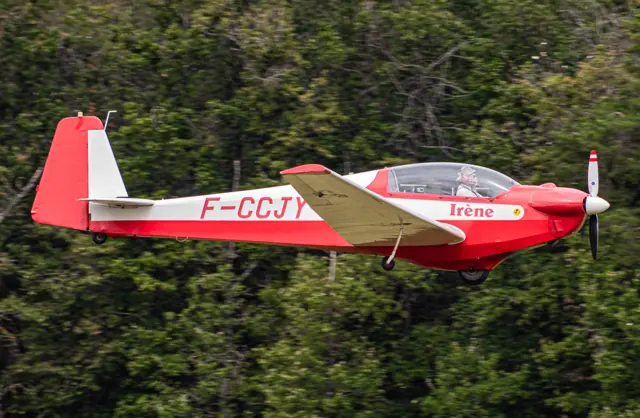
A tandem-seat development of Scheibe’s touring motorglider family.
Airbus's first production aircraft, built around a twin-engine wide-body layout.
Regional flying built around a high wing, two turboprops and short sectors.
A long-range twin designed around a new wide-body airframe and extensive composite construction.
A twin-turboprop family whose smaller conventional-tail and larger T-tail branches have distinct identities.
A pressurised touring twin whose piston and turbine-conversion versions make a particularly interesting comparison.
A six-seat composite single turboprop with a pressurised cabin and retractable gear.
The Huey: a turbine-powered utility helicopter with a broad cabin and an unmistakable two-bladed rotor.
A light turbine helicopter whose land-based Scout and naval Wasp branches served different jobs.
An all-metal sport and touring aircraft from Bayerische Flugzeugwerke.
A four-engine jetliner that helped establish the shape of long-distance jet travel.
A wide-cabin business-jet family that developed from Canadair's original Challenger programme.
Ted Smith's piston twin, later produced by Piper as the Aerostar.
Avro's delta-wing bomber, developed for Britain's postwar strategic force.
Beechcraft's Model 76, designed to introduce pilots to twin-engine flying.
A very large single-engine biplane designed for practical work from modest airfields.
A late member of the Nieuport V-strut scout family, remembered both as a First World War fighter and as an advanced trainer.
A shorter wide-body Airbus from the transition to two-pilot, electronic-instrument cockpits.
A DC-10-derived tanker that combined aerial refuelling with passenger and cargo transport.
New aircraft, useful sources and improvements to AirframeDB. Occasional updates, when there’s something to share.