MSFS
Dornier Seastar ↗
A composite amphibian that carries Dornier's centreline engine arrangement into the turboprop era.
1 implementations+ Compare
Explore the aircraft. Find your simulator. Follow the sources.
A composite amphibian that carries Dornier's centreline engine arrangement into the turboprop era.
The fixed-gear, six-cylinder touring branch of Piper's PA-28 family.
A rear-engined trijet built to bring jet service to shorter routes and smaller airports.
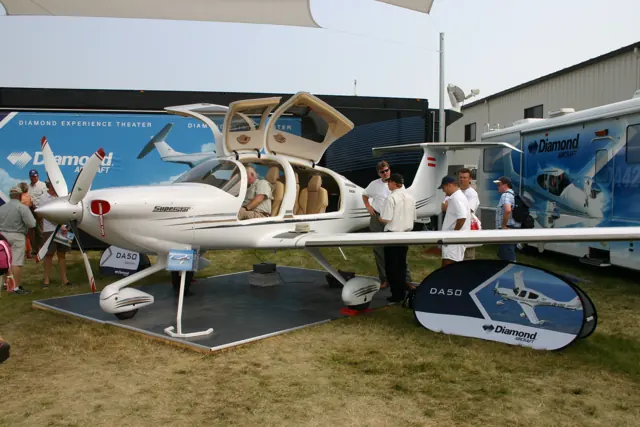
A five-seat composite single whose development led to the diesel DA50 RG.
A family of single-aisle airliners built around sidesticks, electronic flight controls and a shared cockpit.
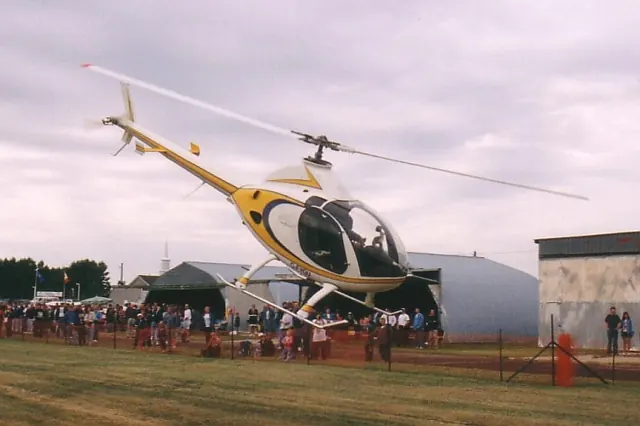
RotorWay's two-seat kit-helicopter family, with piston and turbine simulator interpretations.
Cessna's retractable-gear Centurion, a high-wing touring aircraft.
A heavy transport helicopter whose two large rotors remove the need for a tail rotor.
A two-seat composite kit aircraft developed from the Lancair 320.
A stretched development of the DC-9 with rear-mounted engines and a five-abreast cabin.
A tandem two-seat sailplane designed for instruction and broader soaring use.
A First World War trainer that became a familiar sight in the barnstorming era.
A 1920s transport family that developed from a single-engine airliner into a trimotor.
A carrier-capable multirole fighter, larger than the earlier Hornet from which it developed.
A compact twin-engine transport helicopter with retractable gear and a long development history.
A large twin-radial transport that carried heavy loads through wartime and post-war freight service.
A very light twin jet developed from the Eclipse 500.
A compact Czech touring aircraft with side-by-side seats and a streamlined low-wing airframe.
A Polish utility aircraft designed for short takeoffs and landings.
A carbon-fibre aerobatic monoplane family with a dedicated air-racing branch.
The Mitchell medium bomber, named for aviation advocate Billy Mitchell.
A British utility twin built around short regional and practical transport work.
The H130 utility helicopter, descended from the AS350 and fitted with a Fenestron.
The second-generation Harrier, designed around vectored thrust and short-field operation.
This is AirframeDB’s first release. More features and aircraft research are planned. Leave your email if you’d like occasional updates.