MSFS
Airbus H160 ↗
A modern medium twin-engine helicopter developed as a successor to the Dauphin line.
1 implementations+ Compare
Explore the aircraft. Find your simulator. Follow the sources.
A modern medium twin-engine helicopter developed as a successor to the Dauphin line.
The Wilga is the real-aircraft starting point for Mike Patey's DRACO and the simulator's DRACO X.
A radial-engined light transport whose long career covered passengers, freight and military training.
A long-range twin whose programme emphasised composite construction and more electrically powered systems.
A six-engine heavy transport created for exceptionally large external and internal loads.
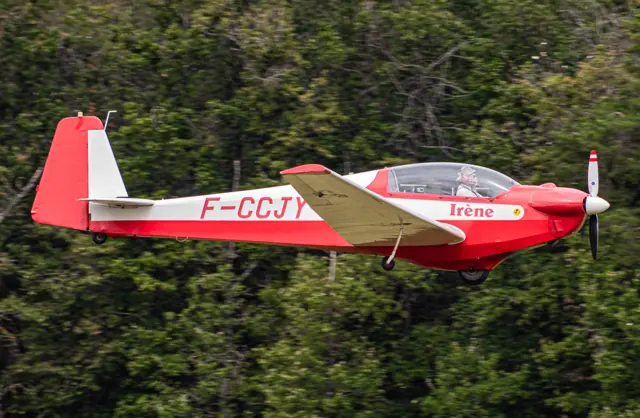
A tandem-seat development of Scheibe’s touring motorglider family.
A heavy transport helicopter whose two large rotors remove the need for a tail rotor.
A four-engine Airbus wide-body developed in parallel with the A330.
An unpowered military cargo glider designed to deliver troops and equipment behind a tow aircraft.
A pressurised cabin-class piston twin, from the tip-tanked 414 to the longer-wing 414A and its many aftermarket conversions.
A two-seat light amphibian with a compact boat hull and a pusher propeller.
A light turbine helicopter whose land-based Scout and naval Wasp branches served different jobs.
The turboprop-powered member of Beechcraft’s tandem-seat Mentor training family.
A six-seat composite single turboprop with a pressurised cabin and retractable gear.
A compact twin-engine helicopter widely used for medical, police and training work.
A lightweight short-field aircraft with a specialised wing and tall, shock-absorbing landing gear.
Dassault's long-range Falcon 8X, developed from the three-engine 7X.
A five-seat composite single whose development led to the diesel DA50 RG.
Lockheed's wide-body TriStar, with three RB211 engines and a distinctive tail intake.
An electric-powered educational glider concept inspired by the human-powered MIT Daedalus 88.
Avro's delta-wing bomber, developed for Britain's postwar strategic force.
An early CRJ regional jet with rear-mounted engines and a small airliner flight deck.
A wooden touring-aircraft family recognisable by the upward-angled outer wing panels.
A simulated twin-turbine helicopter that explores no-tail-rotor anti-torque control.
New aircraft, useful sources and improvements to AirframeDB. Occasional updates, when there’s something to share.