MSFS X-Plane
North American P-51 Mustang ↗
A long-range fighter whose different engine and canopy developments produced several distinct forms.
2 implementations+ Compare
Explore the aircraft. Find your simulator. Follow the sources.
A long-range fighter whose different engine and canopy developments produced several distinct forms.
A pioneering all-metal transport with an enclosed passenger cabin and corrugated skin.
A two-seat composite light-aircraft family with a high wing and a compact enclosed cabin.
A twin-engine business jet designed to retain some of the utility flexibility associated with the PC-12.
A long-haul twin whose family spans passenger, freight and specialist transport roles.
A single-engine turboprop workhorse for passenger services, freight and remote-area transport.
A modern utility single whose family includes both tailwheel and nosewheel configurations.
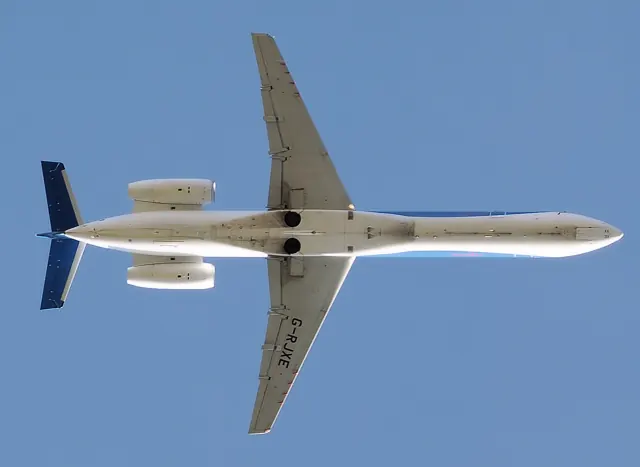
Embraer's regional-jet family, from the ERJ 135 to the longer ERJ 145.
A cabin biplane with the lower wing placed ahead of the upper one.
A two-seat naval fighter with variable-sweep wings and a cockpit built around pilot and radar-intercept officer roles.
A rear-engined trijet built to bring jet service to shorter routes and smaller airports.
A jet-powered military transport designed for both strategic loads and tactical airfield access.
An advanced trainer known around the world as the Texan, Harvard and SNJ.
The Mitchell medium bomber, named for aviation advocate Billy Mitchell.
A pressurised twin turboprop with a canard, composite airframe and rear-facing propellers.
A military liaison aircraft built around a high wing, tandem cabin and short-field utility work.
A fixed-gear twin turboprop with a long history in regional and remote-area transport.
Airbus's first production aircraft, built around a twin-engine wide-body layout.
A twin-radial airliner that helped make practical passenger transport a regular business.
A hybrid-electric regional-airliner concept represented in the simulator while the real programme develops.
A five-seat turbine helicopter developed from Robinson's smaller piston-helicopter line.
A 1920s flying boat with two engines arranged in tandem above the wing.
A wartime fighter developed from the earlier Curtiss P-36.
A pressurised touring twin whose piston and turbine-conversion versions make a particularly interesting comparison.
This is AirframeDB’s first release. More features and aircraft research are planned. Leave your email if you’d like occasional updates.