MSFS
Mitsubishi MU-2 ↗
A compact Japanese twin turboprop with a high wing and pressurised cabin.
1 implementations+ Compare
Explore the aircraft. Find your simulator. Follow the sources.
A compact Japanese twin turboprop with a high wing and pressurised cabin.
A huge wooden flying-boat prototype that made one brief flight in 1947.
The purpose-built Ryan monoplane used by Charles Lindbergh for his 1927 solo Atlantic crossing.
Tecnam's two-seat, low-wing Sierra, introduced in the early 2000s.
Cirrus's first type-certified aircraft, a composite piston single.
A low-wing piston family that spans simple trainers, touring aircraft and retractable-gear Arrows.
A light business jet with a swept wing, rear-mounted engines and an integrated flight deck.
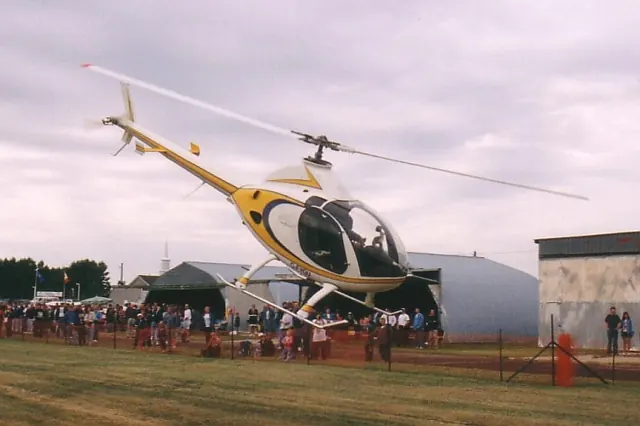
RotorWay's two-seat kit-helicopter family, with piston and turbine simulator interpretations.
A twin-turboprop regional airliner developed through Swedish and American industrial cooperation.
A pressurised four-engine piston transport from the last major generation before the jet airliner.
The H130 utility helicopter, descended from the AS350 and fitted with a Fenestron.
The Wilga is the real-aircraft starting point for Mike Patey's DRACO and the simulator's DRACO X.
A utility-aircraft family whose stretched 207 branch trades compact proportions for more cabin space.
A box-shaped utility twin whose cabin and rear access are central to its design.
A low-wing piston twin that carries the Beechcraft touring-aircraft lineage into two-engine flying.
An enclosed-cabin development of the Bell 47, shaped for passenger and executive transport.
A large twin-engine helicopter from the Super Puma line, used for offshore and public-service work.
The Stationair utility family, combining a high wing with fixed landing gear.
A purpose-built aerobatic monoplane family developed by pilot and designer Walter Extra.
A cabin biplane with the lower wing placed ahead of the upper one.
A four-engine military turboprop designed to combine tactical access with long-distance transport.
The JetRanger and LongRanger family: a familiar turbine-helicopter shape with distinct cabin lengths.
A shorter wide-body Airbus from the transition to two-pilot, electronic-instrument cockpits.
A regional jet family with four small engines, a high wing and a large split tail airbrake.
This is AirframeDB’s first release. More features and aircraft research are planned. Leave your email if you’d like occasional updates.