X-Plane
Eclipse 550 ↗
A very light twin jet developed from the Eclipse 500.
1 implementations+ Compare
Explore the aircraft. Find your simulator. Follow the sources.
A very light twin jet developed from the Eclipse 500.
A two-seat composite kit aircraft developed from the Lancair 320.
A long-range strategic bomber with a swept wing and eight jet engines in paired pods.
A single-engine turboprop workhorse for passenger services, freight and remote-area transport.
A swept-wing business jet designed around high subsonic cruise speed.
A low-wing piston family that spans simple trainers, touring aircraft and retractable-gear Arrows.
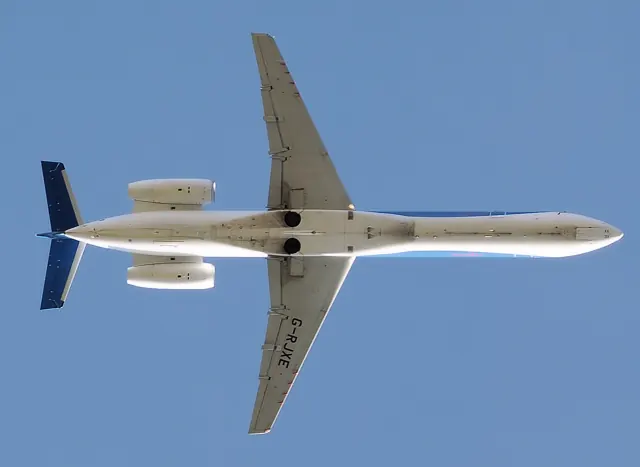
Embraer's regional-jet family, from the ERJ 135 to the longer ERJ 145.
A long-range fighter whose different engine and canopy developments produced several distinct forms.
A pressurised single turboprop with a large cargo door and a broad range of working roles.
A family of single-aisle airliners built around sidesticks, electronic flight controls and a shared cockpit.
An advanced trainer known around the world as the Texan, Harvard and SNJ.
A four-seat high-wing single that spans generations of conventional instruments and glass cockpits.
The second-generation Harrier, designed around vectored thrust and short-field operation.
A pressurised single-engine turboprop family that combines a compact cabin with retractable gear.
A modern composite twin with a roomy cabin and two wing-mounted piston engines.
A long-running touring single, familiar in both V-tail and conventional-tail forms.
Diamond's four-seat light twin, developed with diesel-powered versions.
A two-seat composite trainer with a low wing and a large canopy.
A two-seat training single with a high wing and fixed tricycle landing gear.
A light business jet with a swept wing, rear-mounted engines and an integrated flight deck.
A wide-cabin business-jet family that developed from Canadair's original Challenger programme.
A three-engine airliner that became a mainstay of Soviet and Russian passenger transport.
A short-haul jet family that evolved through several generations of engines, wings and flight decks.
A push-pull twin with one engine at each end of the central fuselage.
This is AirframeDB’s first release. More features and aircraft research are planned. Leave your email if you’d like occasional updates.