MSFS
Fokker F.VII ↗
A 1920s transport family that developed from a single-engine airliner into a trimotor.
1 implementations+ Compare
Explore the aircraft. Find your simulator. Follow the sources.
A 1920s transport family that developed from a single-engine airliner into a trimotor.
A low-wing agricultural Cessna with a cockpit and hopper arranged around the job.
A modern two-seat piston helicopter designed around the training role.
An advanced trainer known around the world as the Texan, Harvard and SNJ.
A tailwheel utility single built around a high wing and a substantial working cabin.
A pressurised four-engine piston transport from the last major generation before the jet airliner.
A radial-engined light transport whose long career covered passengers, freight and military training.
A three-engine airliner that became a mainstay of Soviet and Russian passenger transport.
A French two-seat aerobatic trainer with side-by-side seating and a distinctive curved wing outline.
A two-seat naval fighter with variable-sweep wings and a cockpit built around pilot and radar-intercept officer roles.
A post-war Businessliner with a radial engine, cabin transport ambitions and tailwheel gear.
A composite touring single with a whole-aircraft parachute and several generations of avionics.
Cirrus's first type-certified aircraft, a composite piston single.
A four-engine military turboprop designed to combine tactical access with long-distance transport.
Cessna's retractable-gear Centurion, a high-wing touring aircraft.
A light turbine helicopter combining an Alouette II airframe with more powerful Alouette III components.
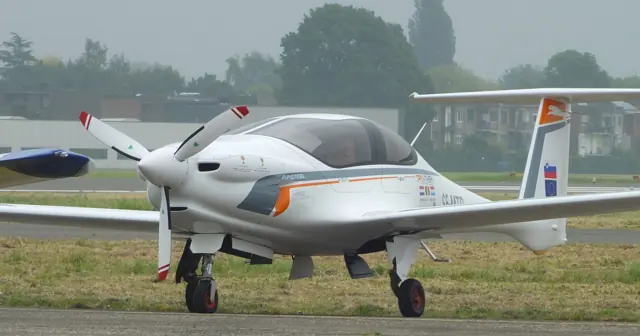
Pipistrel's streamlined four-seat composite-aircraft design.
An open-cockpit biplane trainer that found a second life in civilian flying.
A hybrid-electric regional-airliner concept represented in the simulator while the real programme develops.
A jet-powered military transport designed for both strategic loads and tactical airfield access.
Avro's delta-wing bomber, developed for Britain's postwar strategic force.
A four-engine airliner that brought pressurised-cabin travel into scheduled service.
A light tandem-seat taildragger built around the familiar braced high-wing layout.
The purpose-built Ryan monoplane used by Charles Lindbergh for his 1927 solo Atlantic crossing.
This is AirframeDB’s first release. More features and aircraft research are planned. Leave your email if you’d like occasional updates.