X-Plane
De Havilland DHC-1 Chipmunk ↗
A Canadian tandem-seat trainer developed after the Second World War.
1 implementations+ Compare
Explore the aircraft. Find your simulator. Follow the sources.
A Canadian tandem-seat trainer developed after the Second World War.
A very light twin jet developed from the Eclipse 500.
A specialised reconnaissance aircraft designed for very high altitude and sustained supersonic flight.
A rear-engined trijet built to bring jet service to shorter routes and smaller airports.
An Italian light aircraft known for military training and aerobatic use.
A heavy transport helicopter whose two large rotors remove the need for a tail rotor.
A twin-aisle Boeing designed alongside the 757's generation of two-pilot flight decks.
Piper's PA-31 utility twin, used in commuter, cargo and corporate transport.
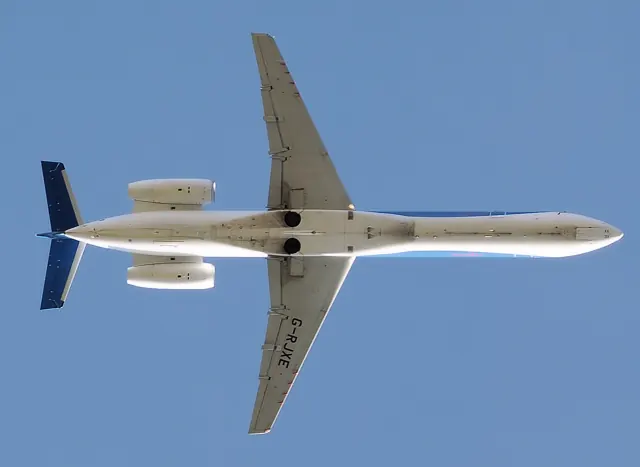
Embraer's regional-jet family, from the ERJ 135 to the longer ERJ 145.
Cirrus's first type-certified aircraft, a composite piston single.
A British utility twin built around short regional and practical transport work.
The Mitchell medium bomber, named for aviation advocate Billy Mitchell.
Cessna's retractable-gear Centurion, a high-wing touring aircraft.
A Polish utility aircraft designed for short takeoffs and landings.
A two-seat composite kit aircraft developed from the Lancair 320.
A stretched development of the DC-9 with rear-mounted engines and a five-abreast cabin.
A light business jet with a swept wing, rear-mounted engines and an integrated flight deck.
A three-engine airliner that became a mainstay of Soviet and Russian passenger transport.
A personal jet with one engine above the rear fuselage and a distinctive V-tail.
A military liaison aircraft built around a high wing, tandem cabin and short-field utility work.
The JetRanger and LongRanger family: a familiar turbine-helicopter shape with distinct cabin lengths.
A swept-wing business jet designed around high subsonic cruise speed.
The four-engine wide-body whose raised flight deck created one of aviation's most recognisable profiles.
Beechcraft's Model 76, designed to introduce pilots to twin-engine flying.
This is AirframeDB’s first release. More features and aircraft research are planned. Leave your email if you’d like occasional updates.