MSFS X-Plane
Pilatus PC-12 NGX ↗
A pressurised single turboprop with a large cargo door and a broad range of working roles.
3 implementations+ Compare
Explore the aircraft. Find your simulator. Follow the sources.
A pressurised single turboprop with a large cargo door and a broad range of working roles.
A box-shaped utility twin whose cabin and rear access are central to its design.
The Mitchell medium bomber, named for aviation advocate Billy Mitchell.
A very light twin jet developed from the Eclipse 500.
A pressurised touring twin whose piston and turbine-conversion versions make a particularly interesting comparison.
An all-metal sport and touring aircraft from Bayerische Flugzeugwerke.
A wooden touring-aircraft family recognisable by the upward-angled outer wing panels.
The four-engine wide-body whose raised flight deck created one of aviation's most recognisable profiles.
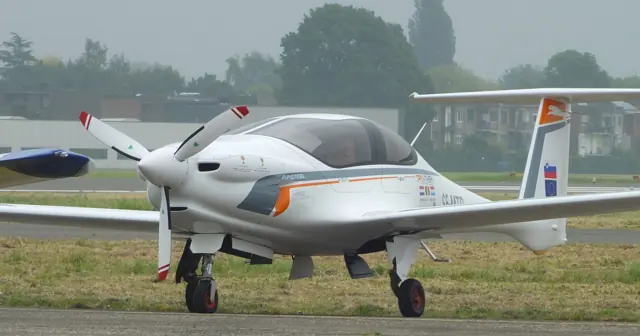
Pipistrel's streamlined four-seat composite-aircraft design.
A large twin-radial transport that carried heavy loads through wartime and post-war freight service.
A two-seat training single with a high wing and fixed tricycle landing gear.
An enclosed-cabin development of the Bell 47, shaped for passenger and executive transport.
Dassault's long-range Falcon 8X, developed from the three-engine 7X.
A four-seat, pressurised kit aircraft with a composite airframe and retractable landing gear.
A four-seat composite touring and training aircraft developed from Diamond's smaller two-seater.
A utility piston twin designed for commuter and specialist transport missions.
A purpose-built aerobatic monoplane family developed by pilot and designer Walter Extra.
An amphibious turboprop designed around scooping water and delivering it to fires.
A modern composite twin with a roomy cabin and two wing-mounted piston engines.
A huge wooden flying-boat prototype that made one brief flight in 1947.
A fixed-wing observation aircraft with a helicopter-like view from its glazed nose.
A long-running touring single, familiar in both V-tail and conventional-tail forms.
A heavy transport helicopter whose two large rotors remove the need for a tail rotor.
This is AirframeDB’s first release. More features and aircraft research are planned. Leave your email if you’d like occasional updates.