MSFS
Boeing 787-10 Dreamliner ↗
A long-range twin whose programme emphasised composite construction and more electrically powered systems.
2 implementations+ Compare
Explore the aircraft. Find your simulator. Follow the sources.
A long-range twin whose programme emphasised composite construction and more electrically powered systems.
A two-seat Tecnam high-wing aircraft combining composite and metal construction.
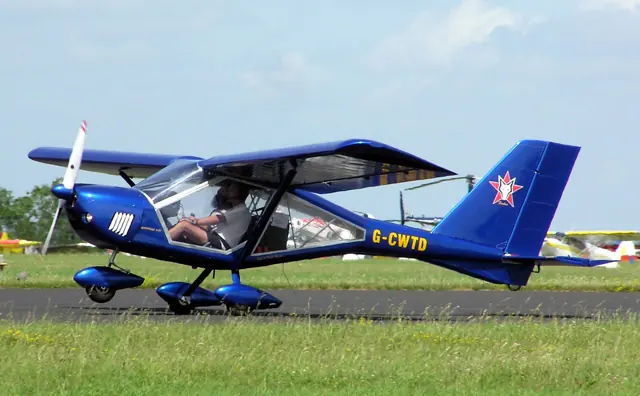
A high-wing light sport aircraft with a broad glazed cabin and tricycle landing gear.
Lockheed's wide-body TriStar, with three RB211 engines and a distinctive tail intake.
The second-generation Harrier, designed around vectored thrust and short-field operation.
An amphibious turboprop designed around scooping water and delivering it to fires.
A super-midsize business jet with a swept wing, rear-mounted engines and an integrated glass cockpit.
Embraer's regional-jet family, from the ERJ 135 to the longer ERJ 145.
A two-seat naval fighter with variable-sweep wings and a cockpit built around pilot and radar-intercept officer roles.
A late-war single-seat jet fighter with its engine mounted above the fuselage.
A cabin biplane with the lower wing placed ahead of the upper one.
A compact regional turboprop with a pressurised cabin for up to 19 passengers.
An electric-powered educational glider concept inspired by the human-powered MIT Daedalus 88.
An enclosed-cabin development of the Bell 47, shaped for passenger and executive transport.
A French two-seat aerobatic trainer with side-by-side seating and a distinctive curved wing outline.
The JetRanger and LongRanger family: a familiar turbine-helicopter shape with distinct cabin lengths.
A compact aerobatic biplane family with both single-seat and tandem-seat branches.
A composite, low-wing touring single with fixed gear and a turbocharged engine.
A very large single-engine biplane designed for practical work from modest airfields.
A hybrid-electric regional-airliner concept represented in the simulator while the real programme develops.
The four-engine Flying Fortress, a major American bomber of the Second World War.
A twin-turbine Huey descendant with a four-blade main rotor.
A push-pull twin with one engine at each end of the central fuselage.
A Canadian tandem-seat trainer developed after the Second World War.
New aircraft, useful sources and improvements to AirframeDB. Occasional updates, when there’s something to share.