MSFS X-Plane
Airbus A330 family ↗
A long-haul twin whose family spans passenger, freight and specialist transport roles.
4 implementations+ Compare
Explore the aircraft. Find your simulator. Follow the sources.
A long-haul twin whose family spans passenger, freight and specialist transport roles.
A five-seat composite single whose development led to the diesel DA50 RG.
A close-air-support aircraft with a straight wing, twin tail and two widely separated jet engines.
A fixed-wing observation aircraft with a helicopter-like view from its glazed nose.
A two-seat Tecnam high-wing aircraft combining composite and metal construction.
A two-seat composite kit aircraft developed from the Lancair 320.
The H130 utility helicopter, descended from the AS350 and fitted with a Fenestron.
A purpose-built agricultural aircraft that also became a single-engine air tanker.
A slender supersonic trainer with tandem seats and two small afterburning turbojets.
A tandem two-seat sailplane designed for instruction and broader soaring use.
A push-pull twin with one engine at each end of the central fuselage.
RotorWay's two-seat kit-helicopter family, with piston and turbine simulator interpretations.
A compact racing aeroplane built around a large radial engine and very short fuselage.
A single-seat competition sailplane offered in Standard and 18-metre configurations.
Cirrus's first type-certified aircraft, a composite piston single.
A heavy transport helicopter whose two large rotors remove the need for a tail rotor.
A pressurised cabin-class piston twin, from the tip-tanked 414 to the longer-wing 414A and its many aftermarket conversions.
A compact twin-engine transport helicopter with retractable gear and a long development history.
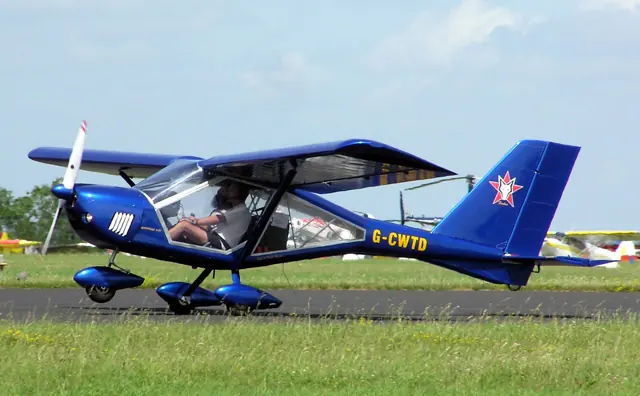
A high-wing light sport aircraft with a broad glazed cabin and tricycle landing gear.
A two-seat, twin-engine fighter that served naval and land-based air forces in many roles.
A specialised reconnaissance aircraft designed for very high altitude and sustained supersonic flight.
A high-wing utility aircraft known for short-field work and a broad choice of working configurations.
The second-generation Harrier, designed around vectored thrust and short-field operation.
A four-seat piston helicopter with a two-blade main rotor and conventional tail rotor.
New aircraft, useful sources and improvements to AirframeDB. Occasional updates, when there’s something to share.