MSFS
De Havilland Canada CL-415 ↗
An amphibious turboprop designed around scooping water and delivering it to fires.
1 implementations+ Compare
Explore the aircraft. Find your simulator. Follow the sources.
An amphibious turboprop designed around scooping water and delivering it to fires.
A streamlined twin-engine helicopter with a Fenestron tail rotor and retractable landing gear.
A two-seat composite kit aircraft developed from the Lancair 320.
Piper's two-seat trainer with fixed tricycle landing gear.
A light business jet with a swept wing, rear-mounted engines and an integrated flight deck.
A long-range twin whose programme emphasised composite construction and more electrically powered systems.
A two-seat light amphibian with a compact boat hull and a pusher propeller.
A twin-turboprop family whose smaller conventional-tail and larger T-tail branches have distinct identities.
A small three-engine demonstrator created to explore technologies for a future supersonic airliner.
A twin-turboprop regional airliner developed through Swedish and American industrial cooperation.
A long-haul twin whose family spans passenger, freight and specialist transport roles.
A twin-radial airliner that helped make practical passenger transport a regular business.
A twin-engine utility helicopter with roots in the BK 117 and EC145 families.
A very light twin jet developed from the Eclipse 500.
An enclosed, two-seat autogyro with side-by-side seating and a pusher propeller.
A wartime fighter developed from the earlier Curtiss P-36.
A push-pull twin with one engine at each end of the central fuselage.
A lightweight short-field aircraft with a specialised wing and tall, shock-absorbing landing gear.
A twin-radial military transport with a rear ramp and short-field design priorities.
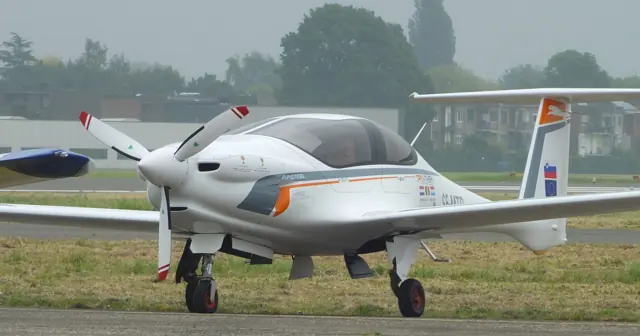
Pipistrel's streamlined four-seat composite-aircraft design.
A full-length double-deck airliner built for very high passenger capacity.
A box-shaped utility twin whose cabin and rear access are central to its design.
Tecnam's four-seat high-wing single, built with metal and carbon-fibre components.
This is AirframeDB’s first release. More features and aircraft research are planned. Leave your email if you’d like occasional updates.