MSFS
Beechcraft Model 18 Twin Beech ↗
A radial-engined light transport whose long career covered passengers, freight and military training.
2 implementations+ Compare
Explore the aircraft. Find your simulator. Follow the sources.
A radial-engined light transport whose long career covered passengers, freight and military training.
A small three-engine demonstrator created to explore technologies for a future supersonic airliner.
Embraer's regional-jet family, from the ERJ 135 to the longer ERJ 145.
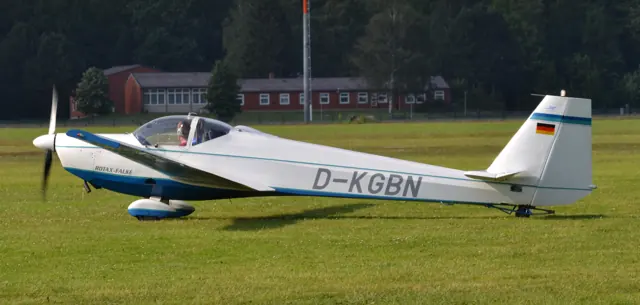
A side-by-side touring motorglider used for both powered flying and soaring.
A lightweight pusher family with an enclosed cabin and a high, braced wing.
A high-wing twin turboprop developed for regional freight and passenger transport.
A high-wing utility aircraft known for short-field work and a broad choice of working configurations.
A long-range trijet developed from the DC-10 with a stretched fuselage and revised wing and cockpit.
The Stationair utility family, combining a high wing with fixed landing gear.
The Wilga is the real-aircraft starting point for Mike Patey's DRACO and the simulator's DRACO X.
A military transport developed from the DC-3, used for cargo, troops, parachuting and glider towing.
A super-midsize business jet with a swept wing, rear-mounted engines and an integrated glass cockpit.
A specialised reconnaissance aircraft designed for very high altitude and sustained supersonic flight.
A single-seat competition sailplane offered in Standard and 18-metre configurations.
A twin-aisle Boeing designed alongside the 757's generation of two-pilot flight decks.
A DC-10-derived tanker that combined aerial refuelling with passenger and cargo transport.
A French two-seat aerobatic trainer with side-by-side seating and a distinctive curved wing outline.
A large twin-engine helicopter from the Super Puma line, used for offshore and public-service work.
A compact aerobatic biplane family with both single-seat and tandem-seat branches.
A two-seat Tecnam high-wing aircraft combining composite and metal construction.
A shorter wide-body Airbus from the transition to two-pilot, electronic-instrument cockpits.
A light amphibian with a hull, retractable wheels and a pusher propeller.
A two-seat light aircraft with folding wings and a choice of nosewheel or tailwheel gear.
A tandem-seat canard homebuilt with a pusher engine and distinctive winglets.
New aircraft, useful sources and improvements to AirframeDB. Occasional updates, when there’s something to share.