MSFS
CAP 4 Paulistinha ↗
A Brazilian light trainer with a high wing, tandem seats and a simple utility layout.
1 implementations+ Compare
Explore the aircraft. Find your simulator. Follow the sources.
A Brazilian light trainer with a high wing, tandem seats and a simple utility layout.
A modern two-seat piston helicopter designed around the training role.
A pressurised four-engine piston transport from the last major generation before the jet airliner.
A stretched development of the DC-9 with rear-mounted engines and a five-abreast cabin.
A very large single-engine biplane designed for practical work from modest airfields.
A compact twin-engine transport helicopter with retractable gear and a long development history.
A retractable-gear touring single with an all-metal airframe and a long-lived enthusiast following.
A utility piston twin designed for commuter and specialist transport missions.
A four-seat touring family whose Commander 114 added a larger engine and further refinements.
A four-seat high-wing single that spans generations of conventional instruments and glass cockpits.
A twin-engine business jet designed to retain some of the utility flexibility associated with the PC-12.
A four-seat composite touring and training aircraft developed from Diamond's smaller two-seater.
A single-seat aerobatic monoplane that also became a familiar air-racing aircraft.
A compact utility helicopter distinguished by its enclosed Fenestron tail rotor.
A two-seat composite trainer with a low wing and a large canopy.
An enlarged Velocity kit aircraft with a canard and rear-mounted pusher propeller.
A military liaison aircraft built around a high wing, tandem cabin and short-field utility work.
A five-seat turbine helicopter developed from Robinson's smaller piston-helicopter line.
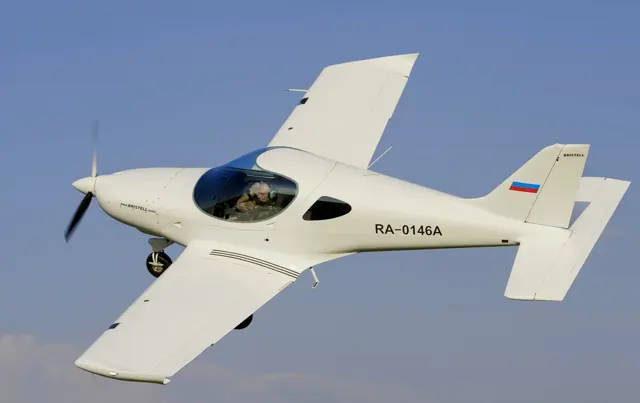
BRM Aero's two-seat B23, represented in MSFS by Airfoillabs.
A two-seat composite light-aircraft family with a high wing and a compact enclosed cabin.
A radial-engined light transport whose long career covered passengers, freight and military training.
Regional flying built around a high wing, two turboprops and short sectors.
A rear-engined trijet built to bring jet service to shorter routes and smaller airports.
A lightweight short-field aircraft with a specialised wing and tall, shock-absorbing landing gear.
This is AirframeDB’s first release. More features and aircraft research are planned. Leave your email if you’d like occasional updates.