MSFS X-Plane
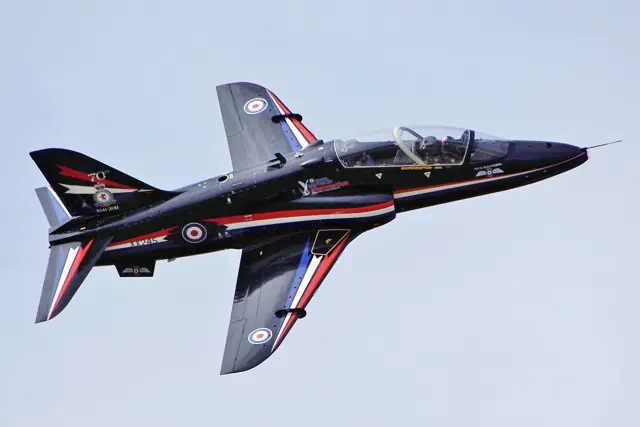
BAe Hawk ↗
A British jet trainer with tandem seating and a long military training career.
2 implementations+ Compare
Explore the aircraft. Find your simulator. Follow the sources.
A British jet trainer with tandem seating and a long military training career.
The reconnaissance Viggen, with canards, a single jet engine and a thrust-reversing system.
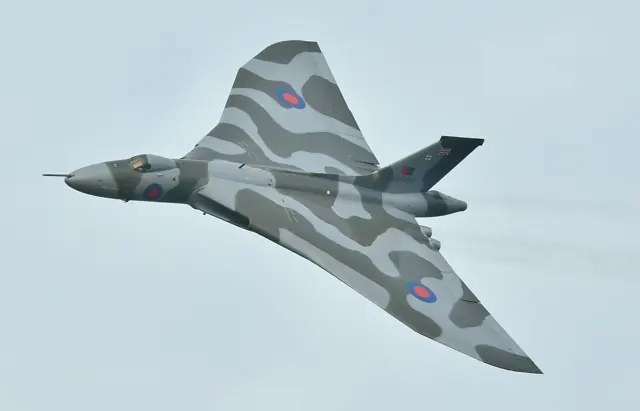
Avro's delta-wing bomber, developed for Britain's postwar strategic force.
A turboprop trainer with mechanical pitch control and hydraulically assisted roll.
A carrier fighter with manual controls, aileron spring tabs and hydraulic blowback flaps.
A flyable interpretation of Testors’ 1980s speculative stealth-fighter design.
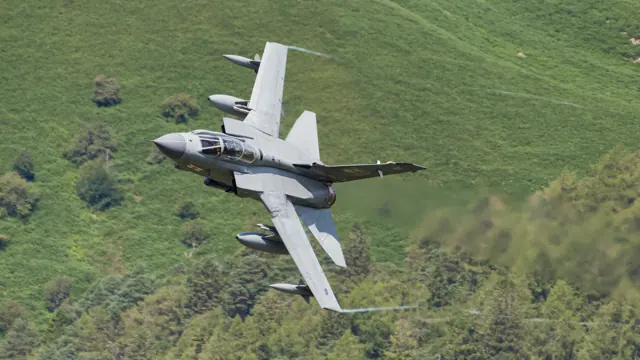
A European variable-sweep combat-aircraft family with distinct strike and interceptor versions.
The Hampden in early and late bomber and torpedo-bomber configurations.
A French anti-submarine aircraft also supplied to the Indian Navy.
A jet trainer family with mechanical pitch control, boosted ailerons and distinct A, A-MLU and PAN configurations.
The F-86F-30 Sabre with the six-three wing and hydraulic flight controls.
An agile Northrop fighter whose long service also includes training and adversary roles.
The final production Lightning, with boosted ailerons and separate dive-recovery flaps.
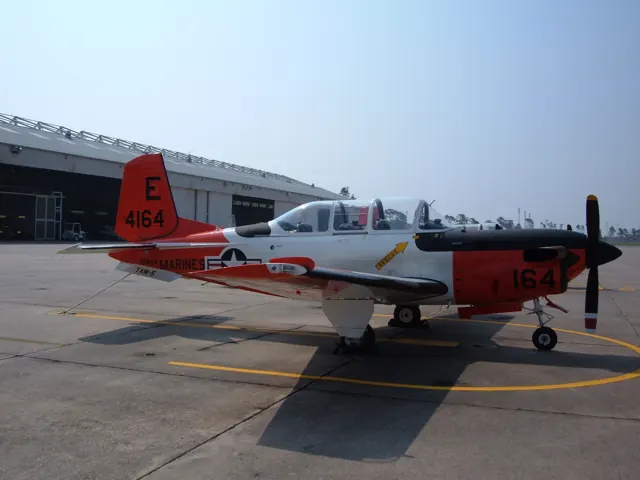
The turboprop-powered member of Beechcraft’s tandem-seat Mentor training family.
The jet-powered Horten flying wing, represented with Jumo 004 engines.
The military Cub used for observation, liaison and transport between command posts.
The Stirling bomber and transport family in Mk I, Mk III and Mk IV simulator versions.
A carrier-training development of the Hawk with powered stabilator and ailerons.
A First World War rotary-engined biplane represented by NHAdrian.
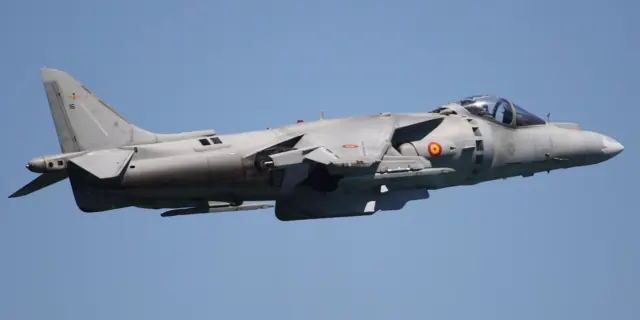
The second-generation Harrier, designed around vectored thrust and short-field operation.
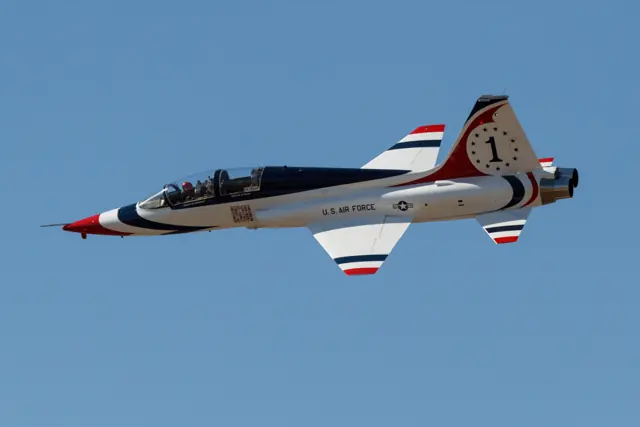
A slender supersonic trainer with tandem seats and two small afterburning turbojets.
New aircraft, useful sources and improvements to AirframeDB. Occasional updates, when there’s something to share.