MSFS
Beechcraft Model 17 Staggerwing ↗
A cabin biplane with the lower wing placed ahead of the upper one.
2 implementations+ Compare
Explore the aircraft. Find your simulator. Follow the sources.
A cabin biplane with the lower wing placed ahead of the upper one.
A radial-engined light transport whose long career covered passengers, freight and military training.
The XI with Anzani and Gnome engine versions and wing-warping controls.
A four-engine airliner that brought pressurised-cabin travel into scheduled service.
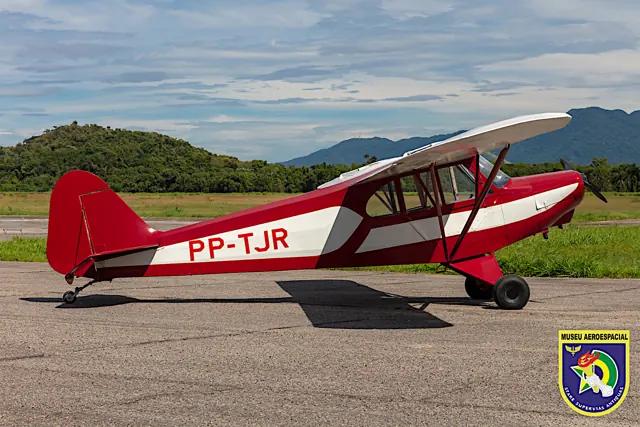
A Brazilian light trainer with a high wing, tandem seats and a simple utility layout.
A post-war Businessliner with a radial engine, cabin transport ambitions and tailwheel gear.
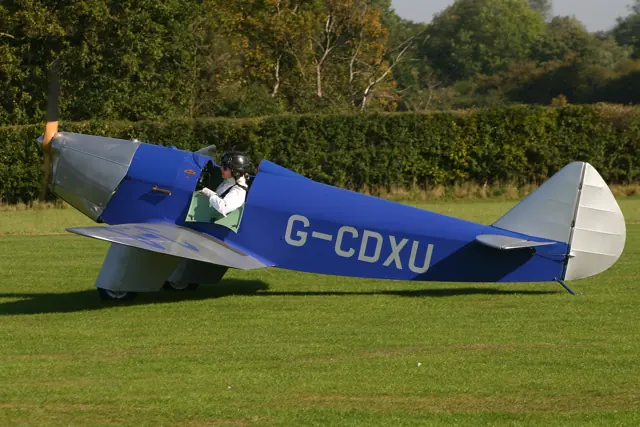
A light, single-seat British sport monoplane from the Chilton D.W.1 line.
A large twin-radial transport that carried heavy loads through wartime and post-war freight service.
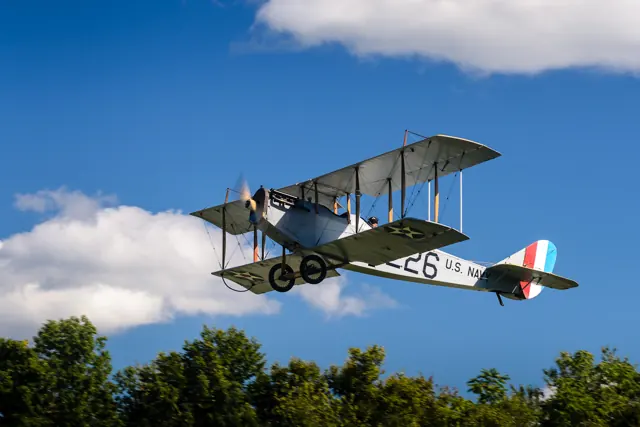
A First World War trainer that became a familiar sight in the barnstorming era.
A wooden twin-engine biplane developed for short-range passenger service.
A twin-radial airliner that helped make practical passenger transport a regular business.
A pressurised four-engine piston transport from the last major generation before the jet airliner.
A four-engine airliner whose history also includes long-range maritime military service.
A 1920s transport family that developed from a single-engine airliner into a trimotor.
Ford's corrugated-metal, three-engine airline transport.
A pioneering all-metal transport with an enclosed passenger cabin and corrugated skin.
A corrugated-metal transport best known in its three-engine form.
A 1920s mail aircraft associated with Latécoère’s expanding routes.
A Potez-powered aircraft with fixed tailwheel gear and manually pumped hydraulic flaps.
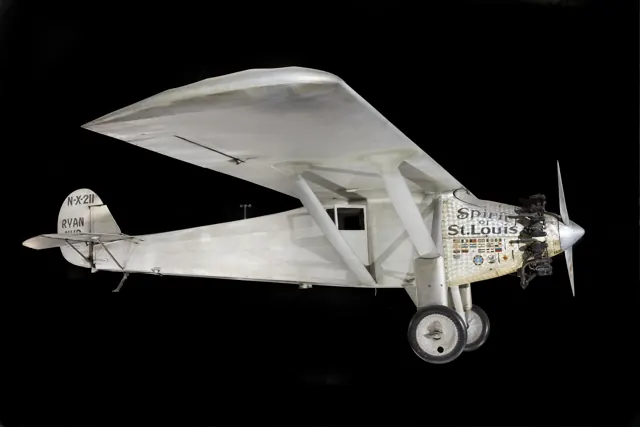
The purpose-built Ryan monoplane used by Charles Lindbergh for his 1927 solo Atlantic crossing.
New aircraft, useful sources and improvements to AirframeDB. Occasional updates, when there’s something to share.