MSFS X-Plane
Robinson R22 Beta II ↗
A small two-seat piston helicopter with a two-bladed main rotor.
2 implementations+ Compare
Explore the aircraft. Find your simulator. Follow the sources.
A small two-seat piston helicopter with a two-bladed main rotor.
A four-engine Airbus wide-body developed in parallel with the A330.
A very light twin jet developed from the Eclipse 500.
A rear-engined trijet built to bring jet service to shorter routes and smaller airports.
A twin-hull flying boat with its engines mounted together above the wing.
A twin-engine business jet designed to retain some of the utility flexibility associated with the PC-12.
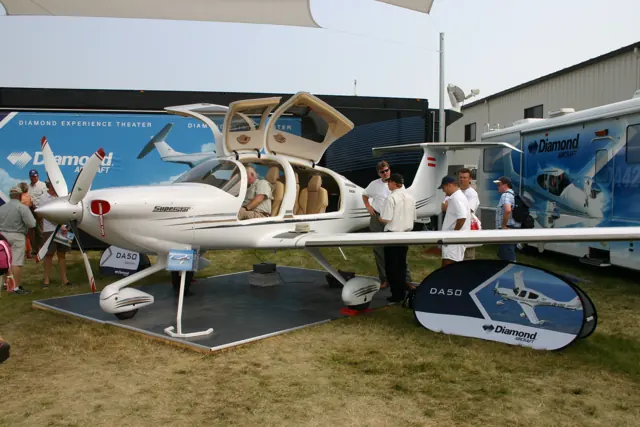
A five-seat composite single whose development led to the diesel DA50 RG.
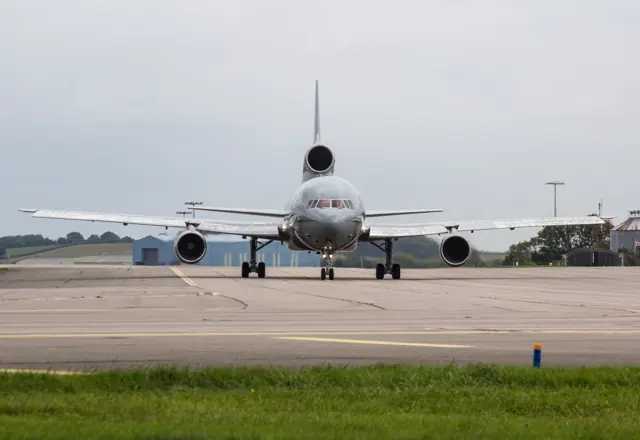
Lockheed's wide-body TriStar, with three RB211 engines and a distinctive tail intake.
A pioneering all-metal transport with an enclosed passenger cabin and corrugated skin.
A regional jet family with four small engines, a high wing and a large split tail airbrake.
A fixed-wing observation aircraft with a helicopter-like view from its glazed nose.
The second-generation Harrier, designed around vectored thrust and short-field operation.
An enlarged Velocity kit aircraft with a canard and rear-mounted pusher propeller.
Airbus's first production aircraft, built around a twin-engine wide-body layout.
The Mitchell medium bomber, named for aviation advocate Billy Mitchell.
A four-engine military turboprop designed to combine tactical access with long-distance transport.
A four-abreast regional-jet family spanning the E170, E175, E190 and E195.
The Wilga is the real-aircraft starting point for Mike Patey's DRACO and the simulator's DRACO X.
A turbine-powered utility helicopter with a broad cabin and a long international service history.
A modern composite twin with a roomy cabin and two wing-mounted piston engines.
A small twin-engine amphibian that moved from business transport into military and utility service.
A regional turboprop family whose short early versions and larger Q400 have different proportions and systems.
A compact aerobatic biplane family with both single-seat and tandem-seat branches.
This is AirframeDB’s first release. More features and aircraft research are planned. Leave your email if you’d like occasional updates.