MSFS
Flight Design CTSL ↗
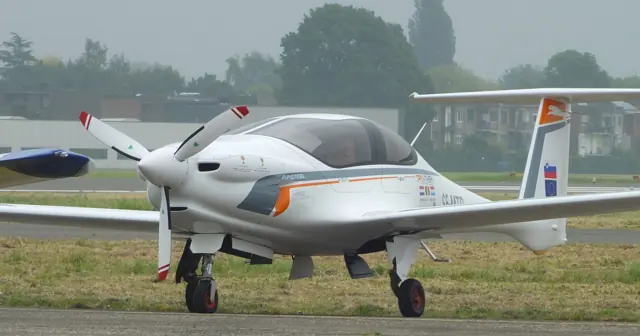
A two-seat composite light-aircraft family with a high wing and a compact enclosed cabin.
2 implementations+ Compare
Explore the aircraft. Find your simulator. Follow the sources.
A two-seat composite light-aircraft family with a high wing and a compact enclosed cabin.
A stretched development of the DC-9 with rear-mounted engines and a five-abreast cabin.
A utility piston twin designed for commuter and specialist transport missions.
A tandem-seat light aircraft with a streamlined low-wing layout.
The fixed-gear, six-cylinder touring branch of Piper's PA-28 family.
A long-range trijet developed from the DC-10 with a stretched fuselage and revised wing and cockpit.
A full-length double-deck airliner built for very high passenger capacity.
A carrier-capable multirole fighter, larger than the earlier Hornet from which it developed.
Dassault's long-range Falcon 8X, developed from the three-engine 7X.
A modern composite twin with a roomy cabin and two wing-mounted piston engines.
A Swedish reconnaissance and dive-bombing aircraft from the early 1940s.
A cabin biplane with the lower wing placed ahead of the upper one.
The purpose-built Ryan monoplane used by Charles Lindbergh for his 1927 solo Atlantic crossing.
Diamond's four-seat light twin, developed with diesel-powered versions.
A midsize business jet developed by Bombardier’s Learjet division.
Lockheed's tandem-seat Shooting Star jet trainer.
A push-pull twin with one engine at each end of the central fuselage.
Pipistrel's streamlined four-seat composite-aircraft design.
A compact aerobatic biplane family with both single-seat and tandem-seat branches.
A twin-engine business jet designed to retain some of the utility flexibility associated with the PC-12.
A three-engine airliner that became a mainstay of Soviet and Russian passenger transport.
A low-wing piston family that spans simple trainers, touring aircraft and retractable-gear Arrows.
Beechcraft's Model 76, designed to introduce pilots to twin-engine flying.
A rear-engined trijet built to bring jet service to shorter routes and smaller airports.
This is AirframeDB’s first release. More features and aircraft research are planned. Leave your email if you’d like occasional updates.