MSFS
De Havilland Canada CL-415 ↗
An amphibious turboprop designed around scooping water and delivering it to fires.
1 implementations+ Compare
Explore the aircraft. Find your simulator. Follow the sources.
An amphibious turboprop designed around scooping water and delivering it to fires.
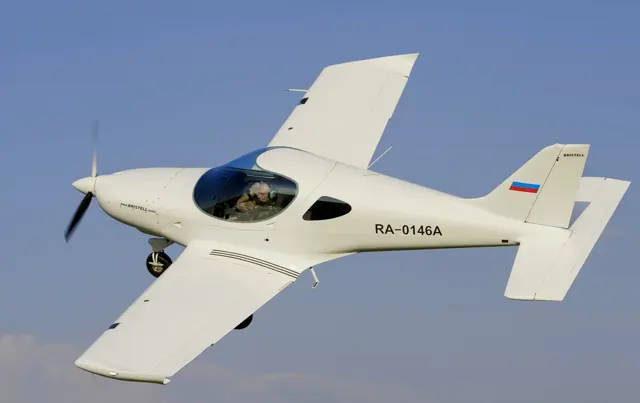
BRM Aero's two-seat B23, represented in MSFS by Airfoillabs.
A two-seat composite kit aircraft developed from the Lancair 320.
A short-field Savage with leading-edge slats and a distinct Got Friends simulator implementation.
A low-wing piston family that spans simple trainers, touring aircraft and retractable-gear Arrows.
A First World War trainer that became a familiar sight in the barnstorming era.
A self-launching sailplane family with its engine inside the fuselage and a folding nose propeller.
A long-haul twin whose family spans passenger, freight and specialist transport roles.
A DC-10-derived tanker that combined aerial refuelling with passenger and cargo transport.
The second-generation Harrier, designed around vectored thrust and short-field operation.
A lightweight pusher family with an enclosed cabin and a high, braced wing.
A super-midsize business jet with a swept wing, rear-mounted engines and an integrated glass cockpit.
A tandem-seat utility aircraft whose light structure and high wing suit bush, towing and recreational work.
A purpose-built agricultural aircraft that also became a single-engine air tanker.
Beechcraft's Model 76, designed to introduce pilots to twin-engine flying.
The four-engine wide-body whose raised flight deck created one of aviation's most recognisable profiles.
A two-seat composite light-aircraft family with a high wing and a compact enclosed cabin.
A two-seat naval fighter with variable-sweep wings and a cockpit built around pilot and radar-intercept officer roles.
A carrier-capable multirole fighter, larger than the earlier Hornet from which it developed.
A twin-engine business jet designed to retain some of the utility flexibility associated with the PC-12.
A wartime fighter developed from the earlier Curtiss P-36.
A fixed-wing observation aircraft with a helicopter-like view from its glazed nose.
The Wilga is the real-aircraft starting point for Mike Patey's DRACO and the simulator's DRACO X.
A pioneering light helicopter whose bubble cabin and exposed structure became widely recognisable.
This is AirframeDB’s first release. More features and aircraft research are planned. Leave your email if you’d like occasional updates.