MSFS X-Plane
Boeing 747 family ↗
The four-engine wide-body whose raised flight deck created one of aviation's most recognisable profiles.
6 implementations+ Compare
Explore the aircraft. Find your simulator. Follow the sources.
The four-engine wide-body whose raised flight deck created one of aviation's most recognisable profiles.
A two-seat composite kit aircraft developed from the Lancair 320.
A four-abreast regional-jet family spanning the E170, E175, E190 and E195.
A two-seat naval fighter with variable-sweep wings and a cockpit built around pilot and radar-intercept officer roles.
A four-seat high-wing single that spans generations of conventional instruments and glass cockpits.
A Canadian tandem-seat trainer developed after the Second World War.
Cessna's retractable-gear Centurion, a high-wing touring aircraft.
A low-wing piston family that spans simple trainers, touring aircraft and retractable-gear Arrows.
Diamond's four-seat light twin, developed with diesel-powered versions.
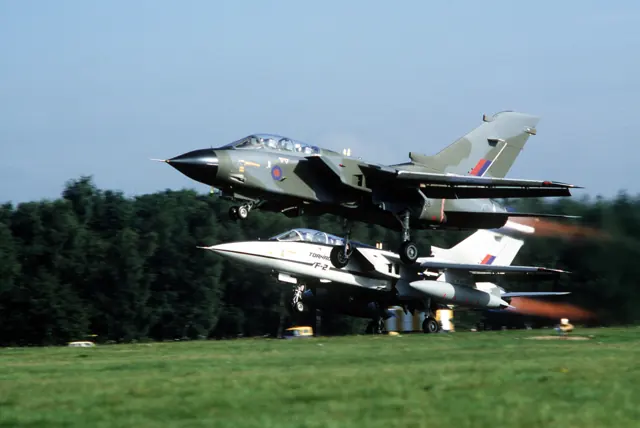
A European variable-sweep combat-aircraft family with distinct strike and interceptor versions.
SOCATA's touring-aircraft family, including the Tobago and Trinidad.
A long-range fighter whose different engine and canopy developments produced several distinct forms.
A military liaison aircraft built around a high wing, tandem cabin and short-field utility work.
A high-wing utility turboprop designed for short-field passenger and cargo work.
Epic's experimental light-jet project, represented in simulation by Aerobask.
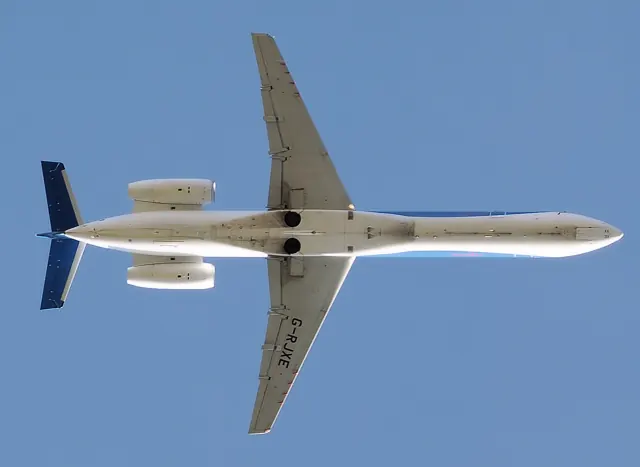
Embraer's regional-jet family, from the ERJ 135 to the longer ERJ 145.
A compact Italian light twin with a shoulder wing and metal airframe.
A long-haul twin whose family spans passenger, freight and specialist transport roles.
A very light twin jet developed from the Eclipse 500.
A modern composite twin with a roomy cabin and two wing-mounted piston engines.
A twin-turbine Huey descendant with a four-blade main rotor.
A wide-cabin business-jet family that developed from Canadair's original Challenger programme.
A rear-engined trijet built to bring jet service to shorter routes and smaller airports.
The second-generation Harrier, designed around vectored thrust and short-field operation.
This is AirframeDB’s first release. More features and aircraft research are planned. Leave your email if you’d like occasional updates.