X-Plane
Sopwith F.1 Camel ↗
A First World War rotary-engined biplane represented by NHAdrian.
1 implementations+ Compare
Explore the aircraft. Find your simulator. Follow the sources.
A First World War rotary-engined biplane represented by NHAdrian.
The winged Space Shuttle orbiter, available for re-entry scenarios in the X-Plane 11 manual.
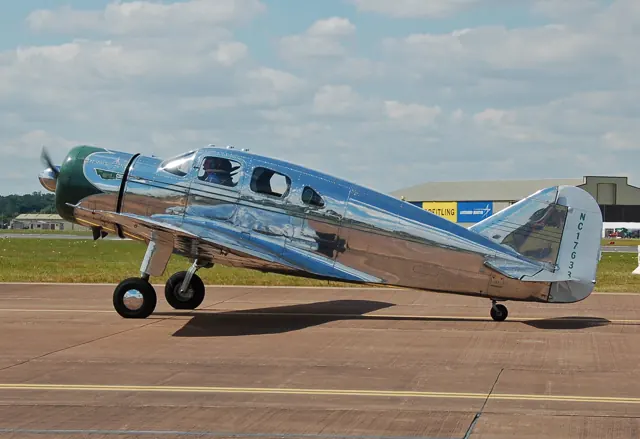
Spartan's late-1930s all-metal cabin aircraft with retractable landing gear.
The SV.4C biplane with a Renault engine and shared front/rear cockpit controls.
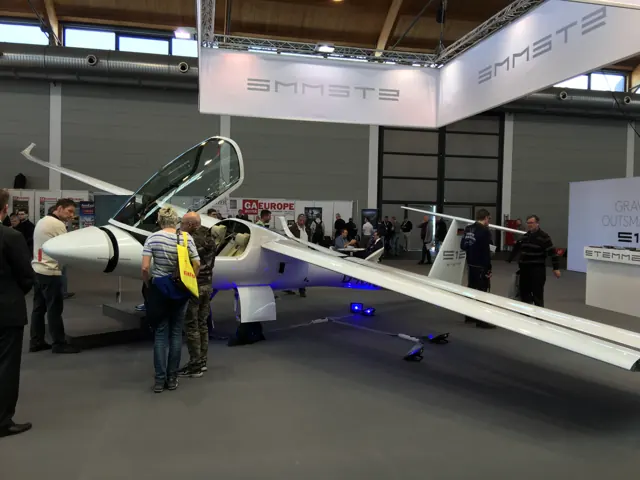
A self-launching sailplane family with its engine inside the fuselage and a folding nose propeller.
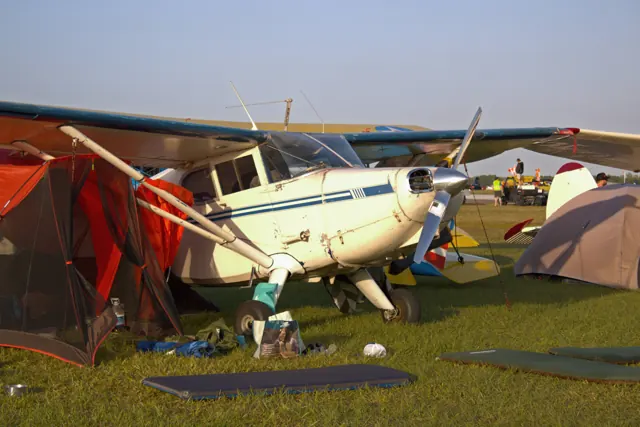
The Stinson 108 is a four-seat, high-wing light aircraft.
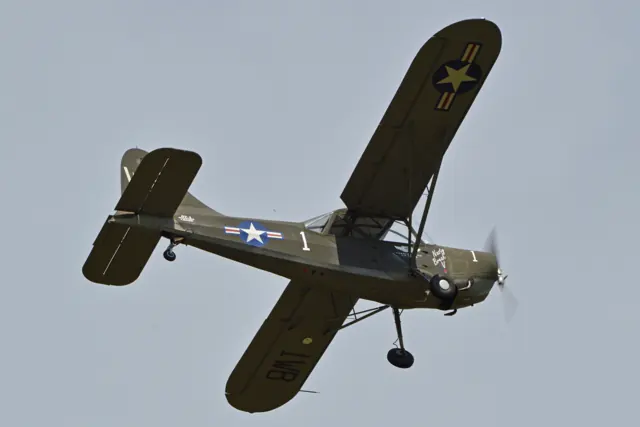
A military liaison aircraft built around a high wing, tandem cabin and short-field utility work.
The high-wing Reliant family and its wartime AT-19 trainer.
The Su-27 was developed as a Soviet all-weather fighter-interceptor to counter the F-15.
A regional-jet family represented by Headwind's SU95X project.
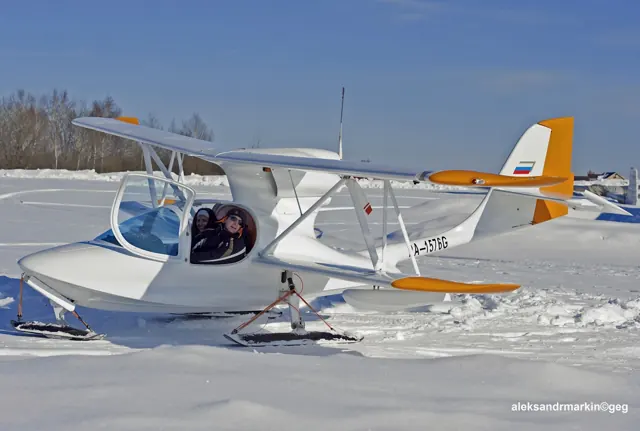
An amphibious biplane for operation from land and water.
A naval Spitfire development with folding wings, retractable gear and an arrestor hook.
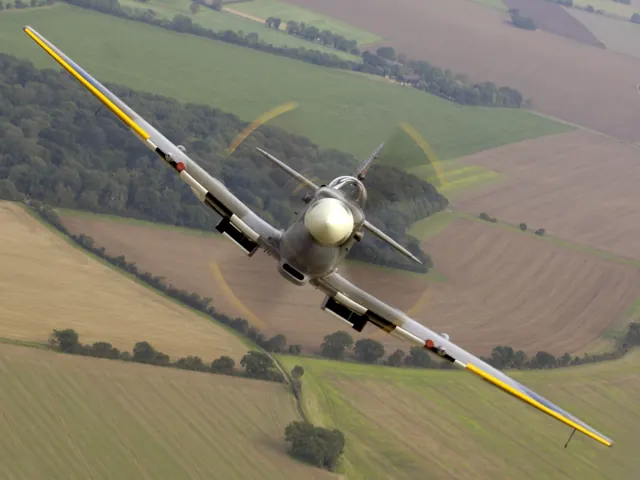
The Supermarine Spitfire was a British fighter of the Second World War.
A light tailwheel aircraft represented with classic, backcountry, float and ski configurations.
A two-seat training aircraft designed to support instrument instruction.
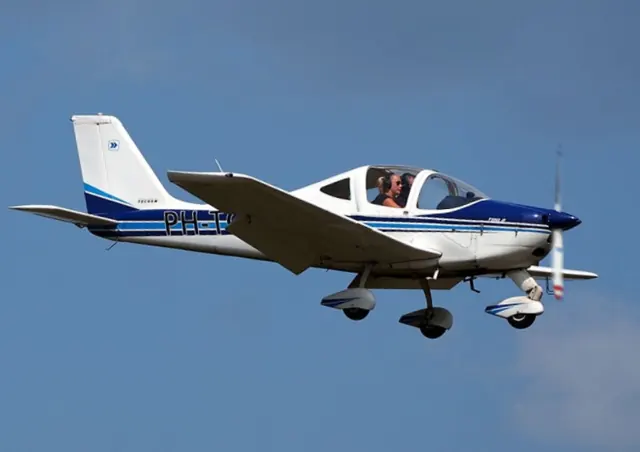
Tecnam's two-seat, low-wing Sierra, introduced in the early 2000s.
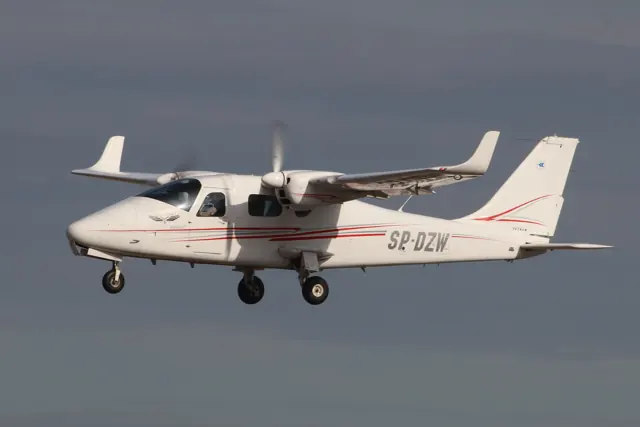
A compact Italian light twin with a shoulder wing and metal airframe.
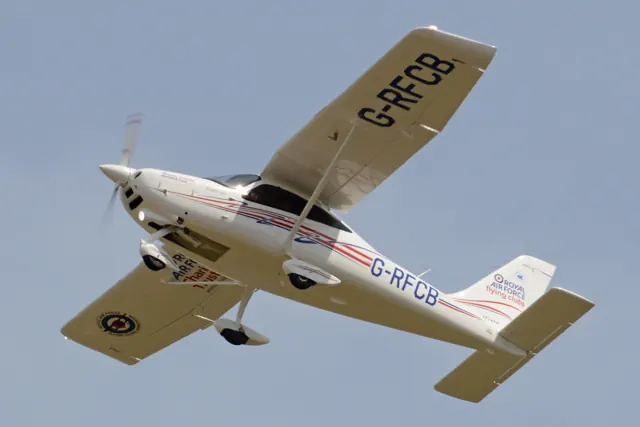
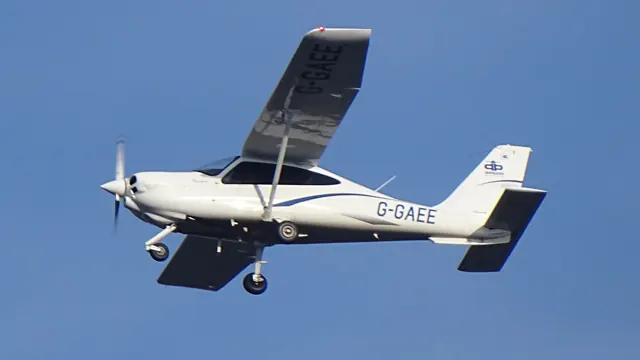
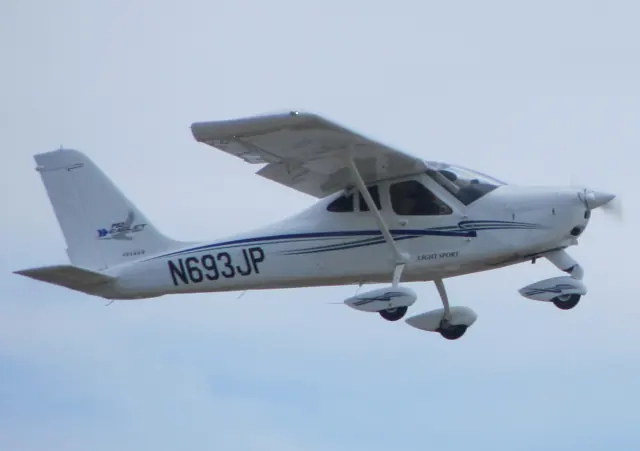
A two-seat Tecnam high-wing aircraft combining composite and metal construction.
Tecnam's four-seat high-wing single, built with metal and carbon-fibre components.
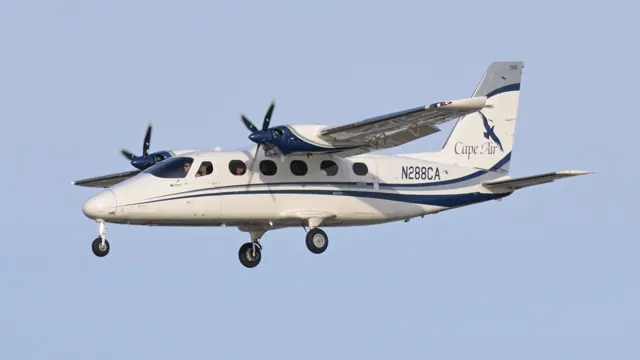
A utility piston twin designed for commuter and specialist transport missions.
A tandem-seat autogyro prototype developed around transport and observation roles.
A light sport aircraft with mechanical primary controls and electric flaps.
New aircraft, useful sources and improvements to AirframeDB. Occasional updates, when there’s something to share.