X-Plane
Bell 412 ↗
A twin-turbine Huey descendant with a four-blade main rotor.
1 implementations+ Compare
Explore the aircraft. Find your simulator. Follow the sources.
A twin-turbine Huey descendant with a four-blade main rotor.
Tecnam's two-seat, low-wing Sierra, introduced in the early 2000s.
The Wilga is the real-aircraft starting point for Mike Patey's DRACO and the simulator's DRACO X.
The Huey: a turbine-powered utility helicopter with a broad cabin and an unmistakable two-bladed rotor.
A military liaison aircraft built around a high wing, tandem cabin and short-field utility work.
A two-seat composite kit aircraft developed from the Lancair 320.
A cabin biplane with the lower wing placed ahead of the upper one.
A modern utility single whose family includes both tailwheel and nosewheel configurations.
A 1920s transport family that developed from a single-engine airliner into a trimotor.
A radial-engine trainer that also served in combat and civilian warbird roles.
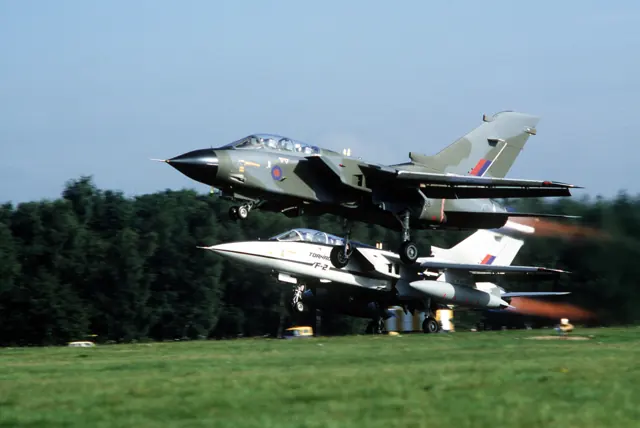
A European variable-sweep combat-aircraft family with distinct strike and interceptor versions.
A vast inter-war flying boat with twelve engines arranged in six paired installations.
Lockheed's tandem-seat Shooting Star jet trainer.
A long-range strategic bomber with a swept wing and eight jet engines in paired pods.
A twin-engine business jet designed to retain some of the utility flexibility associated with the PC-12.
A turbine-powered utility helicopter with a broad cabin and a long international service history.
The second-generation Harrier, designed around vectored thrust and short-field operation.
A pioneering all-metal transport with an enclosed passenger cabin and corrugated skin.
Two related Dutch regional jets developed from the F28 lineage.
A short-field Savage with leading-edge slats and a distinct Got Friends simulator implementation.
A military transport developed from the DC-3, used for cargo, troops, parachuting and glider towing.
A compact two-seat light aircraft with a high wing and a wide range of development variants.
A box-shaped utility twin whose cabin and rear access are central to its design.
This is AirframeDB’s first release. More features and aircraft research are planned. Leave your email if you’d like occasional updates.