MSFS
De Havilland Canada DHC-4 Caribou ↗
A twin-radial military transport with a rear ramp and short-field design priorities.
2 implementations+ Compare
Explore the aircraft. Find your simulator. Follow the sources.
A twin-radial military transport with a rear ramp and short-field design priorities.
A Brazilian light trainer with a high wing, tandem seats and a simple utility layout.
An advanced trainer known around the world as the Texan, Harvard and SNJ.
A large twin-engine helicopter from the Super Puma line, used for offshore and public-service work.
A long-range twin designed around a new wide-body airframe and extensive composite construction.
An enclosed, two-seat autogyro with side-by-side seating and a pusher propeller.
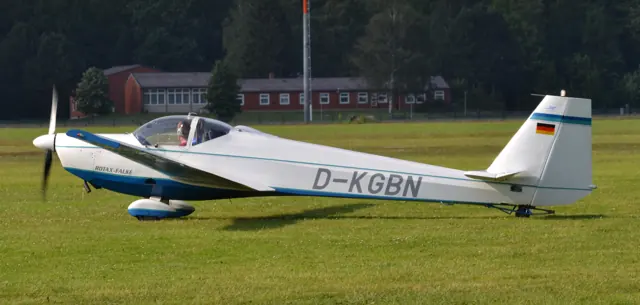
A side-by-side touring motorglider used for both powered flying and soaring.
A long-range strategic bomber with a swept wing and eight jet engines in paired pods.
A two-seat naval fighter with variable-sweep wings and a cockpit built around pilot and radar-intercept officer roles.
The retractable member of Beechcraft’s Musketeer family: a roomy, four-cylinder travelling aircraft with an unusually large baggage door.
A slender supersonic trainer with tandem seats and two small afterburning turbojets.
A compact Japanese twin turboprop with a high wing and pressurised cabin.
A utility piston twin designed for commuter and specialist transport missions.
A Polish utility aircraft designed for short takeoffs and landings.
The Model 525 CitationJet, the starting point of Cessna's CJ and M2 lineage.
A twin-engine business jet designed to retain some of the utility flexibility associated with the PC-12.
A light turbine helicopter combining an Alouette II airframe with more powerful Alouette III components.
A self-launching sailplane family with its engine inside the fuselage and a folding nose propeller.
A 1920s flying boat with two engines arranged in tandem above the wing.
A two-seat composite trainer with a low wing and a large canopy.
A single-seat aerobatic monoplane that also became a familiar air-racing aircraft.
A tandem-seat development of Scheibe’s touring motorglider family.
A long-range twin whose programme emphasised composite construction and more electrically powered systems.
A small open gyroplane with an unpowered rotor and pusher propulsion.
New aircraft, useful sources and improvements to AirframeDB. Occasional updates, when there’s something to share.