X-Plane
De Havilland DHC-1 Chipmunk ↗
A Canadian tandem-seat trainer developed after the Second World War.
1 implementations+ Compare
Explore the aircraft. Find your simulator. Follow the sources.
A Canadian tandem-seat trainer developed after the Second World War.
A tandem two-seat sailplane family used for training and cross-country soaring.
A tandem-seat utility aircraft whose light structure and high wing suit bush, towing and recreational work.
The purpose-built Ryan monoplane used by Charles Lindbergh for his 1927 solo Atlantic crossing.
A pressurised four-engine piston transport from the last major generation before the jet airliner.
A tandem-seat jet trainer that also found a second life in civilian display and racing.
A carrier-capable multirole fighter, larger than the earlier Hornet from which it developed.
A compact utility helicopter distinguished by its enclosed Fenestron tail rotor.
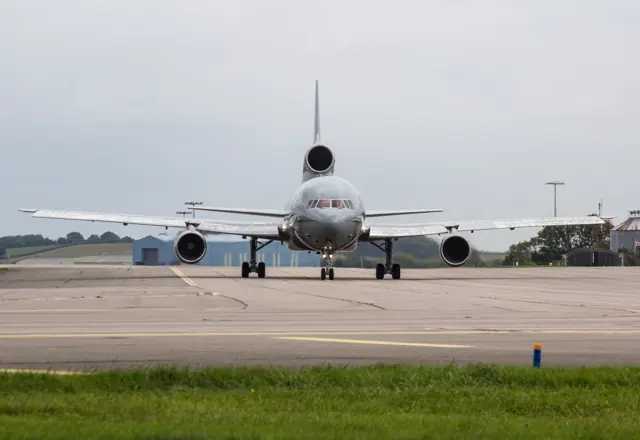
Lockheed's wide-body TriStar, with three RB211 engines and a distinctive tail intake.
A wooden touring-aircraft family recognisable by the upward-angled outer wing panels.
A British utility twin built around short regional and practical transport work.
A pressurised twin turboprop with a canard, composite airframe and rear-facing propellers.
An unpowered military cargo glider designed to deliver troops and equipment behind a tow aircraft.
A twin-turboprop regional airliner developed through Swedish and American industrial cooperation.
A British jet trainer with tandem seating and a long military training career.
A very large single-engine biplane designed for practical work from modest airfields.
An open, single-seat ultralight with its propeller behind the pilot.
A short-haul jet family that evolved through several generations of engines, wings and flight decks.
A French two-seat aerobatic trainer with side-by-side seating and a distinctive curved wing outline.
A four-engine military turboprop designed to combine tactical access with long-distance transport.
A tandem-seat light aircraft with a streamlined low-wing layout.
Regional flying built around a high wing, two turboprops and short sectors.
A light tandem-seat taildragger built around the familiar braced high-wing layout.
The Stationair utility family, combining a high wing with fixed landing gear.
This is AirframeDB’s first release. More features and aircraft research are planned. Leave your email if you’d like occasional updates.