MSFS
Douglas DC-6 ↗
A pressurised four-engine piston transport from the last major generation before the jet airliner.
1 implementations+ Compare
Explore the aircraft. Find your simulator. Follow the sources.
A pressurised four-engine piston transport from the last major generation before the jet airliner.
A tandem-seat light aircraft with a streamlined low-wing layout.
A wartime fighter developed from the earlier Curtiss P-36.
The Wilga is the real-aircraft starting point for Mike Patey's DRACO and the simulator's DRACO X.
A compact two-seat light aircraft with a high wing and a wide range of development variants.
A pressurised single turboprop with a large cargo door and a broad range of working roles.
A twin-engine business jet designed to retain some of the utility flexibility associated with the PC-12.
A six-engine heavy transport created for exceptionally large external and internal loads.
Dassault's long-range Falcon 8X, developed from the three-engine 7X.
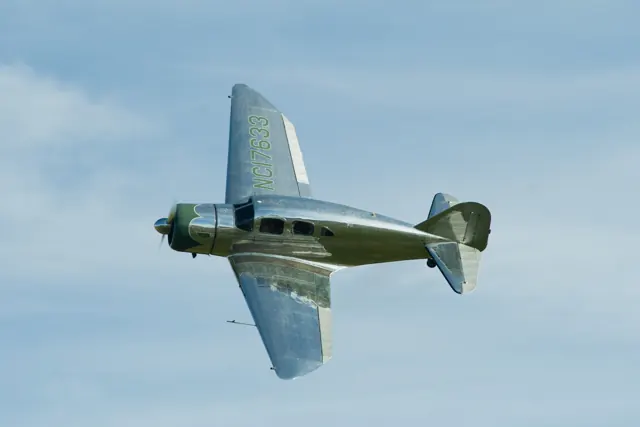
A late-1930s cabin aircraft with metal construction and retractable landing gear.
A specialised reconnaissance aircraft designed for very high altitude and sustained supersonic flight.
A long-range twin designed around a new wide-body airframe and extensive composite construction.
A compact Japanese twin turboprop with a high wing and pressurised cabin.
An enclosed, two-seat autogyro with side-by-side seating and a pusher propeller.
A turbine-powered utility helicopter with a broad cabin and a long international service history.
A carrier-capable multirole fighter, larger than the earlier Hornet from which it developed.
Tecnam's two-seat, low-wing Sierra, introduced in the early 2000s.
A fixed-wing observation aircraft with a helicopter-like view from its glazed nose.
An amphibious turboprop designed around scooping water and delivering it to fires.
A rear-engined trijet built to bring jet service to shorter routes and smaller airports.
A two-seat, twin-engine fighter that served naval and land-based air forces in many roles.
The purpose-built Ryan monoplane used by Charles Lindbergh for his 1927 solo Atlantic crossing.
A huge wooden flying-boat prototype that made one brief flight in 1947.
A wooden touring-aircraft family recognisable by the upward-angled outer wing panels.
This is AirframeDB’s first release. More features and aircraft research are planned. Leave your email if you’d like occasional updates.