X-Plane
Boeing 767 ↗
A twin-aisle Boeing designed alongside the 757's generation of two-pilot flight decks.
1 implementations+ Compare
Explore the aircraft. Find your simulator. Follow the sources.
A twin-aisle Boeing designed alongside the 757's generation of two-pilot flight decks.
A compact utility helicopter distinguished by its enclosed Fenestron tail rotor.
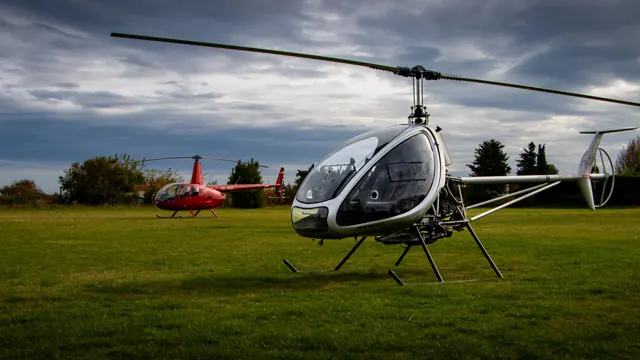
An enclosed gyroplane represented in VSKYLABS’ X-Plane fleet.
A tandem-seat jet trainer that also found a second life in civilian display and racing.
A single-seat aerobatic monoplane that also became a familiar air-racing aircraft.
A post-war Czech light twin with a rounded cabin and engines carried on a low wing.
A modern open-cockpit light aircraft that revives the corrugated-metal style of the 1929 A50.
A Belgian light helicopter with two seats arranged side by side.
A two-seat training single with a high wing and fixed tricycle landing gear.
A heavy-lift helicopter built around an open frame and an external working load.
A compact Italian light twin with a shoulder wing and metal airframe.
A compact twin-engine transport helicopter with retractable gear and a long development history.
The four-engine wide-body whose raised flight deck created one of aviation's most recognisable profiles.
Piper's two-seat trainer with fixed tricycle landing gear.
A short-field Savage with leading-edge slats and a distinct Got Friends simulator implementation.
A 1920s flying boat with two engines arranged in tandem above the wing.
A four-seat, pressurised kit aircraft with a composite airframe and retractable landing gear.
A single-engine utility helicopter known as the Écureuil, Squirrel and AStar.
A corrugated-metal transport best known in its three-engine form.
A two-seat naval fighter with variable-sweep wings and a cockpit built around pilot and radar-intercept officer roles.
A corrugated-metal, three-engine transport from the formative years of airline travel.
Regional flying built around a high wing, two turboprops and short sectors.
A side-by-side two-seat sailplane with a retractable powerplant for self-launching.
New aircraft, useful sources and improvements to AirframeDB. Occasional updates, when there’s something to share.