MSFS X-Plane
De Havilland Canada DHC-2 Beaver ↗
A radial-engined utility aircraft closely associated with bush flying and float operations.
5 implementations+ Compare
Explore the aircraft. Find your simulator. Follow the sources.
A radial-engined utility aircraft closely associated with bush flying and float operations.
A First World War trainer that became a familiar sight in the barnstorming era.
A composite, low-wing touring single with fixed gear and a turbocharged engine.
A four-seat high-wing single that spans generations of conventional instruments and glass cockpits.
A close-air-support aircraft with a straight wing, twin tail and two widely separated jet engines.
A specialised reconnaissance aircraft designed for very high altitude and sustained supersonic flight.
A military transport developed from the DC-3, used for cargo, troops, parachuting and glider towing.
Pipistrel's streamlined four-seat composite-aircraft design.
Grumman’s small twin-engine amphibian: a flying boat with retractable wheels and a life spanning wartime service, private travel and seaplane training.
A twin-engine utility helicopter with roots in the BK 117 and EC145 families.
A four-seat kit-built touring aircraft that expanded the RV family beyond two-seat designs.
A Swedish reconnaissance and dive-bombing aircraft from the early 1940s.
A compact aerobatic biplane family with both single-seat and tandem-seat branches.
A composite amphibian that carries Dornier's centreline engine arrangement into the turboprop era.
A wartime fighter developed from the earlier Curtiss P-36.
A long-range twin whose programme emphasised composite construction and more electrically powered systems.
An enclosed gyroplane represented in VSKYLABS’ X-Plane fleet.
A swept-wing business jet designed around high subsonic cruise speed.
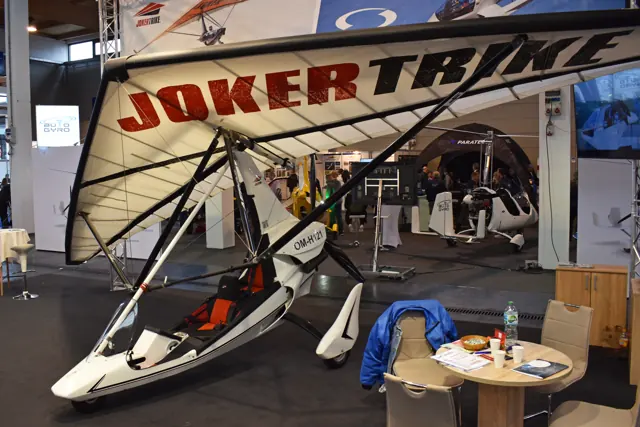
A powered hang-glider wing above an amphibious inflatable boat.
A slender supersonic trainer with tandem seats and two small afterburning turbojets.
A long-range fighter whose different engine and canopy developments produced several distinct forms.
A twin-turboprop family whose smaller conventional-tail and larger T-tail branches have distinct identities.
A four-seat composite touring and training aircraft developed from Diamond's smaller two-seater.
A purpose-built aerobatic monoplane family developed by pilot and designer Walter Extra.
New aircraft, useful sources and improvements to AirframeDB. Occasional updates, when there’s something to share.