X-Plane
McDonnell Douglas F-4 Phantom II ↗
A two-seat, twin-engine fighter that served naval and land-based air forces in many roles.
2 implementations+ Compare
Explore the aircraft. Find your simulator. Follow the sources.
A two-seat, twin-engine fighter that served naval and land-based air forces in many roles.
A simulated twin-turbine helicopter that explores no-tail-rotor anti-torque control.
A long-range fighter whose different engine and canopy developments produced several distinct forms.
A cabin-class piston twin designed for commuter, cargo and utility work.
RotorWay's two-seat kit-helicopter family, with piston and turbine simulator interpretations.
A modern two-seat piston helicopter designed around the training role.
A stretched development of the DC-9 with rear-mounted engines and a five-abreast cabin.
A streamlined twin-engine helicopter with a Fenestron tail rotor and retractable landing gear.
A two-seat composite light-aircraft family with a high wing and a compact enclosed cabin.
A twin-turboprop family whose smaller conventional-tail and larger T-tail branches have distinct identities.
Japan’s postwar regional turboprop, with Rolls-Royce Dart power and a career spanning passenger, freight and specialist government flying.
A small two-seat piston helicopter with a two-bladed main rotor.
A purpose-built aerobatic monoplane family developed by pilot and designer Walter Extra.
The H130 utility helicopter, descended from the AS350 and fitted with a Fenestron.
A two-seat composite kit aircraft developed from the Lancair 320.
A large twin-radial transport that carried heavy loads through wartime and post-war freight service.
A four-engine tactical transport built around a rear loading ramp and access to austere airfields.
A three-engine airliner that became a mainstay of Soviet and Russian passenger transport.
A large twin-engine helicopter from the Super Puma line, used for offshore and public-service work.
A composite, low-wing touring single with fixed gear and a turbocharged engine.
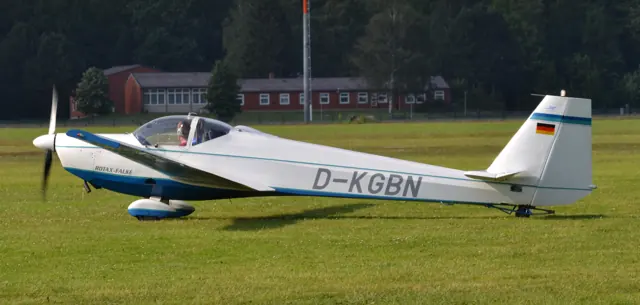
A side-by-side touring motorglider used for both powered flying and soaring.
A slender supersonic trainer with tandem seats and two small afterburning turbojets.
A super-midsize business jet with a swept wing, rear-mounted engines and an integrated glass cockpit.
A composite amphibian that carries Dornier's centreline engine arrangement into the turboprop era.
New aircraft, useful sources and improvements to AirframeDB. Occasional updates, when there’s something to share.