MSFS
Beechcraft Duke ↗
A pressurised touring twin whose piston and turbine-conversion versions make a particularly interesting comparison.
1 implementations+ Compare
Explore the aircraft. Find your simulator. Follow the sources.
A pressurised touring twin whose piston and turbine-conversion versions make a particularly interesting comparison.
A long-range strategic bomber with a swept wing and eight jet engines in paired pods.
An experimental twin-boom racing aircraft commissioned by Bob Pond and designed by Burt Rutan.
A twin-radial airliner that helped make practical passenger transport a regular business.
A carbon-fibre aerobatic monoplane family with a dedicated air-racing branch.
The Huey: a turbine-powered utility helicopter with a broad cabin and an unmistakable two-bladed rotor.
An enlarged Velocity kit aircraft with a canard and rear-mounted pusher propeller.
A high-wing light sport aircraft with a broad glazed cabin and tricycle landing gear.
Cirrus's first type-certified aircraft, a composite piston single.
A high-wing utility aircraft known for short-field work and a broad choice of working configurations.
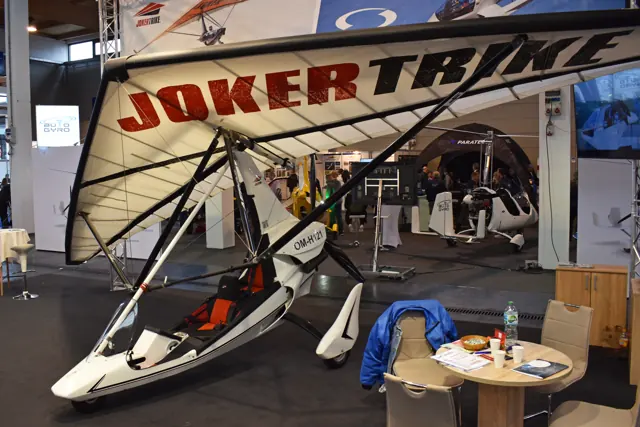
A two-seat powered hang-glider trike with an open cockpit.
A close-air-support aircraft with a straight wing, twin tail and two widely separated jet engines.
A tailwheel utility aircraft with a high wing and a large cabin loading door.
A 1920s flying boat with two engines arranged in tandem above the wing.
A short-field Savage with leading-edge slats and a distinct Got Friends simulator implementation.
A retractable-gear touring single with an all-metal airframe and a long-lived enthusiast following.
A two-seat, twin-engine fighter that served naval and land-based air forces in many roles.
A narrow-body twin developed as a new generation of medium-range airliner.
The four-engine Flying Fortress, a major American bomber of the Second World War.
A compact Italian light twin with a shoulder wing and metal airframe.
An enclosed gyroplane represented in VSKYLABS’ X-Plane fleet.
A regional jet family with four small engines, a high wing and a large split tail airbrake.
A long-range twin designed around a new wide-body airframe and extensive composite construction.
The purpose-built Ryan monoplane used by Charles Lindbergh for his 1927 solo Atlantic crossing.
New aircraft, useful sources and improvements to AirframeDB. Occasional updates, when there’s something to share.