MSFS
Airbus H160 ↗
A modern medium twin-engine helicopter developed as a successor to the Dauphin line.
1 implementations+ Compare
Explore the aircraft. Find your simulator. Follow the sources.
A modern medium twin-engine helicopter developed as a successor to the Dauphin line.
A tailwheel utility single built around a high wing and a substantial working cabin.
A lightweight short-field aircraft with a specialised wing and tall, shock-absorbing landing gear.
A light amphibian with a hull, retractable wheels and a pusher propeller.
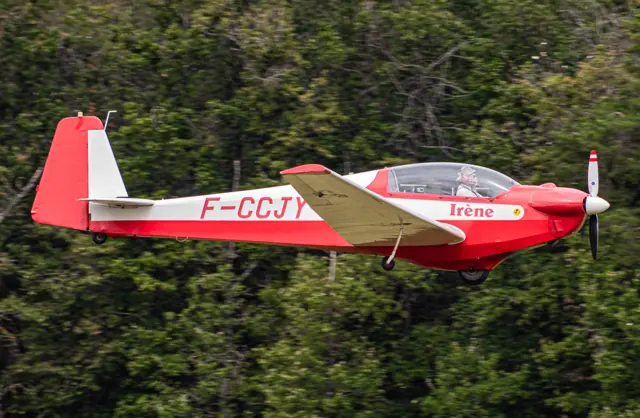
A tandem-seat development of Scheibe’s touring motorglider family.
A compact rear-engined jet designed for short-haul regional airline work.
A four-seat high-wing single that spans generations of conventional instruments and glass cockpits.
An all-metal sport and touring aircraft from Bayerische Flugzeugwerke.
A twin-engine business jet designed to retain some of the utility flexibility associated with the PC-12.
A twin-engine utility helicopter with roots in the BK 117 and EC145 families.
A tandem two-seat sailplane family used for training and cross-country soaring.
A long-range trijet developed from the DC-10 with a stretched fuselage and revised wing and cockpit.
An electric-powered educational glider concept inspired by the human-powered MIT Daedalus 88.
A 1920s transport family that developed from a single-engine airliner into a trimotor.
A low-wing agricultural Cessna with a cockpit and hopper arranged around the job.
A compact Czech touring aircraft with side-by-side seats and a streamlined low-wing airframe.
A large amphibious flying boat built around maritime rescue and utility transport.
An enlarged Velocity kit aircraft with a canard and rear-mounted pusher propeller.
A late member of the Nieuport V-strut scout family, remembered both as a First World War fighter and as an advanced trainer.
A four-engine airliner whose history also includes long-range maritime military service.
A single-engine utility helicopter known as the Écureuil, Squirrel and AStar.
A light turbine helicopter whose land-based Scout and naval Wasp branches served different jobs.
The four-engine Flying Fortress, a major American bomber of the Second World War.
A high-wing utility aircraft known for short-field work and a broad choice of working configurations.
New aircraft, useful sources and improvements to AirframeDB. Occasional updates, when there’s something to share.