X-Plane
McDonnell Douglas F-4 Phantom II ↗
A two-seat, twin-engine fighter that served naval and land-based air forces in many roles.
2 implementations+ Compare
Explore the aircraft. Find your simulator. Follow the sources.
A two-seat, twin-engine fighter that served naval and land-based air forces in many roles.
An amphibious turboprop designed around scooping water and delivering it to fires.
BRM Aero's two-seat B23, represented in MSFS by Airfoillabs.
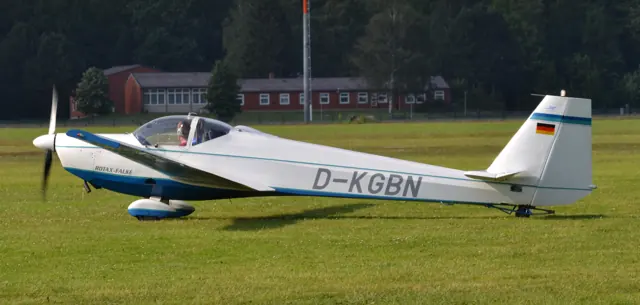
A tandem-seat development of Scheibe’s touring motorglider family.
An all-metal sport and touring aircraft from Bayerische Flugzeugwerke.
A lightweight short-field aircraft with a specialised wing and tall, shock-absorbing landing gear.
A long-running touring single, familiar in both V-tail and conventional-tail forms.
A compact Italian light twin with a shoulder wing and metal airframe.
A Hungarian two-seat light helicopter powered by a Rotax 915 iS.
A simulator-designed very light jet using the Citation Mustang as a reference.
A small open gyroplane with an unpowered rotor and pusher propulsion.
Three fictional aircraft for exploring X-Plane’s atmosphere, terrain and extreme flight regimes.
A 1920s transport family that developed from a single-engine airliner into a trimotor.
A wartime fighter developed from the earlier Curtiss P-36.
The JetRanger and LongRanger family: a familiar turbine-helicopter shape with distinct cabin lengths.
A British utility twin built around short regional and practical transport work.
A purpose-built agricultural aircraft that also became a single-engine air tanker.
A modern utility single whose family includes both tailwheel and nosewheel configurations.
A tandem two-seat sailplane family used for training and cross-country soaring.
A three-engine airliner that became a mainstay of Soviet and Russian passenger transport.
A simulated twin-turbine helicopter that explores no-tail-rotor anti-torque control.
A five-seat composite single whose development led to the diesel DA50 RG.
A side-by-side touring motorglider used for both powered flying and soaring.
A wooden touring-aircraft family recognisable by the upward-angled outer wing panels.
New aircraft, useful sources and improvements to AirframeDB. Occasional updates, when there’s something to share.