MSFS
Velocity XL ↗
An enlarged Velocity kit aircraft with a canard and rear-mounted pusher propeller.
1 implementations+ Compare
Explore the aircraft. Find your simulator. Follow the sources.
An enlarged Velocity kit aircraft with a canard and rear-mounted pusher propeller.
Pipistrel's streamlined four-seat composite-aircraft design.
A post-war Czech light twin with a rounded cabin and engines carried on a low wing.
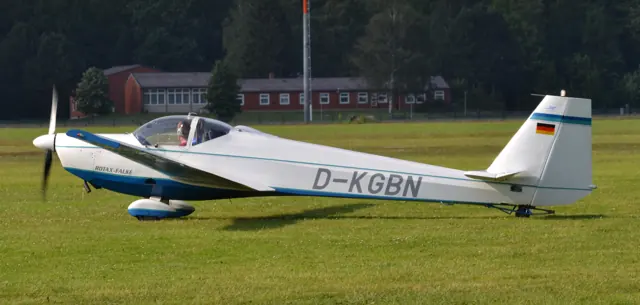
A side-by-side two-seat sailplane with a retractable powerplant for self-launching.
A five-seat turbine helicopter developed from Robinson's smaller piston-helicopter line.
A personal jet with one engine above the rear fuselage and a distinctive V-tail.
A long-range twin designed around a new wide-body airframe and extensive composite construction.
Three fictional aircraft for exploring X-Plane’s atmosphere, terrain and extreme flight regimes.
A tandem-seat canard homebuilt with a pusher engine and distinctive winglets.
A four-engine airliner whose history also includes long-range maritime military service.
A simulated twin-turbine helicopter that explores no-tail-rotor anti-torque control.
A small three-engine demonstrator created to explore technologies for a future supersonic airliner.
A long-range twin whose programme emphasised composite construction and more electrically powered systems.
A military liaison aircraft built around a high wing, tandem cabin and short-field utility work.
Two related Dutch regional jets developed from the F28 lineage.
A post-war Businessliner with a radial engine, cabin transport ambitions and tailwheel gear.
A side-by-side touring motorglider used for both powered flying and soaring.
A twin-radial military transport with a rear ramp and short-field design priorities.
The purpose-built Ryan monoplane used by Charles Lindbergh for his 1927 solo Atlantic crossing.
A low-wing piston family that spans simple trainers, touring aircraft and retractable-gear Arrows.
A French two-seat aerobatic trainer with side-by-side seating and a distinctive curved wing outline.
A large twin-radial transport that carried heavy loads through wartime and post-war freight service.
A military transport developed from the DC-3, used for cargo, troops, parachuting and glider towing.
A light business jet with a swept wing, rear-mounted engines and an integrated flight deck.
New aircraft, useful sources and improvements to AirframeDB. Occasional updates, when there’s something to share.