MSFS
Aérospatiale Gazelle ↗
A compact utility helicopter distinguished by its enclosed Fenestron tail rotor.
1 implementations+ Compare
Explore the aircraft. Find your simulator. Follow the sources.
A compact utility helicopter distinguished by its enclosed Fenestron tail rotor.
Dassault's long-range Falcon 8X, developed from the three-engine 7X.
A compact Italian light twin with a shoulder wing and metal airframe.
Diamond's four-seat light twin, developed with diesel-powered versions.
A composite two-seat light sport aircraft with an unobstructed cantilever high wing.
A compact rear-engined jet designed for short-haul regional airline work.
A four-seat composite touring and training aircraft developed from Diamond's smaller two-seater.
A personal jet with one engine above the rear fuselage and a distinctive V-tail.
A simulated twin-turbine helicopter that explores no-tail-rotor anti-torque control.
A five-seat turbine helicopter developed from Robinson's smaller piston-helicopter line.
A purpose-built agricultural aircraft that also became a single-engine air tanker.
A long-range trijet developed from the DC-10 with a stretched fuselage and revised wing and cockpit.
A compact aerobatic biplane family with both single-seat and tandem-seat branches.
A twin-engine utility helicopter with roots in the BK 117 and EC145 families.
Cessna's retractable-gear Centurion, a high-wing touring aircraft.
A side-by-side two-seat sailplane with a retractable powerplant for self-launching.
A four-engine airliner that brought pressurised-cabin travel into scheduled service.
A post-war Businessliner with a radial engine, cabin transport ambitions and tailwheel gear.
An amphibious turboprop designed around scooping water and delivering it to fires.
The JetRanger and LongRanger family: a familiar turbine-helicopter shape with distinct cabin lengths.
The four-engine wide-body whose raised flight deck created one of aviation's most recognisable profiles.
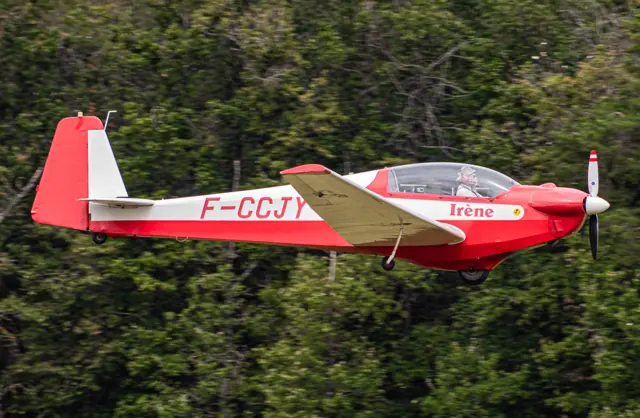
A tandem-seat development of Scheibe’s touring motorglider family.
A modern open-cockpit light aircraft that revives the corrugated-metal style of the 1929 A50.
The second-generation Harrier, designed around vectored thrust and short-field operation.
New aircraft, useful sources and improvements to AirframeDB. Occasional updates, when there’s something to share.