MSFS X-Plane
Tecnam P2006T ↗
A compact Italian light twin with a shoulder wing and metal airframe.
2 implementations+ Compare
Explore the aircraft. Find your simulator. Follow the sources.
A compact Italian light twin with a shoulder wing and metal airframe.
A British jet trainer with tandem seating and a long military training career.
An advanced trainer known around the world as the Texan, Harvard and SNJ.
A compact utility helicopter distinguished by its enclosed Fenestron tail rotor.
A cabin-class piston twin designed for commuter, cargo and utility work.
A pressurised four-engine piston transport from the last major generation before the jet airliner.
A light turbine helicopter whose land-based Scout and naval Wasp branches served different jobs.
A military transport developed from the DC-3, used for cargo, troops, parachuting and glider towing.
SOCATA's touring-aircraft family, including the Tobago and Trinidad.
A two-seat naval fighter with variable-sweep wings and a cockpit built around pilot and radar-intercept officer roles.
A light turbine helicopter combining an Alouette II airframe with more powerful Alouette III components.
A hybrid-electric regional-airliner concept represented in the simulator while the real programme develops.
An amphibious turboprop designed around scooping water and delivering it to fires.
A 1920s transport family that developed from a single-engine airliner into a trimotor.
A huge wooden flying-boat prototype that made one brief flight in 1947.
A very light twin jet developed from the Eclipse 500.
Tecnam's four-seat high-wing single, built with metal and carbon-fibre components.
Piper's two-seat trainer with fixed tricycle landing gear.
A purpose-built aerobatic monoplane family developed by pilot and designer Walter Extra.
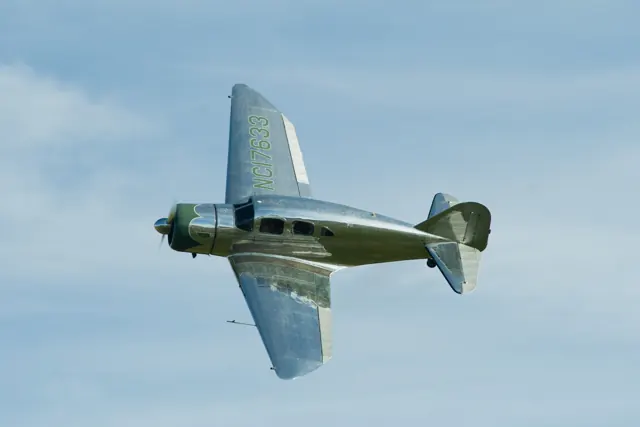
A late-1930s cabin aircraft with metal construction and retractable landing gear.
A box-shaped utility twin whose cabin and rear access are central to its design.
A modern medium twin-engine helicopter developed as a successor to the Dauphin line.
The purpose-built Ryan monoplane used by Charles Lindbergh for his 1927 solo Atlantic crossing.
An open, single-seat ultralight with its propeller behind the pilot.
This is AirframeDB’s first release. More features and aircraft research are planned. Leave your email if you’d like occasional updates.