MSFS
ATR 42-600 / 72-600 ↗
Regional flying built around a high wing, two turboprops and short sectors.
2 implementations+ Compare
Explore the aircraft. Find your simulator. Follow the sources.
Regional flying built around a high wing, two turboprops and short sectors.
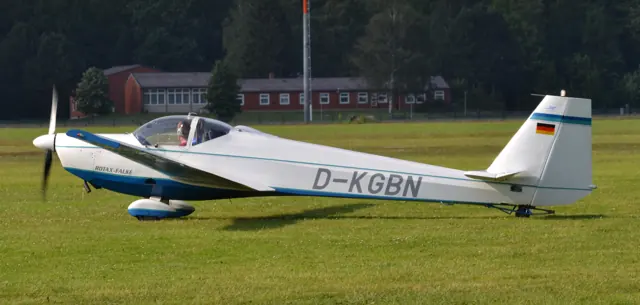
A side-by-side two-seat sailplane with a retractable powerplant for self-launching.
A composite, low-wing touring single with fixed gear and a turbocharged engine.
A small twin-engine amphibian that moved from business transport into military and utility service.
A tandem-seat jet trainer that also found a second life in civilian display and racing.
A military liaison aircraft built around a high wing, tandem cabin and short-field utility work.
A six-engine heavy transport created for exceptionally large external and internal loads.
The tip-tanked turbofan Learjets, combining the classic compact airframe with longer range and careers in business, military and medical flying.
A compact regional turboprop with a pressurised cabin for up to 19 passengers.
The four-engine Flying Fortress, a major American bomber of the Second World War.
A light turbine helicopter combining an Alouette II airframe with more powerful Alouette III components.
A large twin-radial transport that carried heavy loads through wartime and post-war freight service.
Cirrus's first type-certified aircraft, a composite piston single.
A streamlined light twin helicopter, with the later Bell 230 in the same family.
A specialised reconnaissance aircraft designed for very high altitude and sustained supersonic flight.
A wartime fighter developed from the earlier Curtiss P-36.
A twin-engine business jet designed to retain some of the utility flexibility associated with the PC-12.
A long-haul twin whose family spans passenger, freight and specialist transport roles.
A side-by-side touring motorglider used for both powered flying and soaring.
The Stationair utility family, combining a high wing with fixed landing gear.
An unpowered military cargo glider designed to deliver troops and equipment behind a tow aircraft.
A close-air-support aircraft with a straight wing, twin tail and two widely separated jet engines.
The Wilga is the real-aircraft starting point for Mike Patey's DRACO and the simulator's DRACO X.
An Italian light aircraft known for military training and aerobatic use.
New aircraft, useful sources and improvements to AirframeDB. Occasional updates, when there’s something to share.