MSFS
Dornier Do J Wal ↗
A 1920s flying boat with two engines arranged in tandem above the wing.
2 implementations+ Compare
Explore the aircraft. Find your simulator. Follow the sources.
A 1920s flying boat with two engines arranged in tandem above the wing.
The four-engine Flying Fortress, a major American bomber of the Second World War.
A composite amphibian that carries Dornier's centreline engine arrangement into the turboprop era.
A two-seat light aircraft with folding wings and a choice of nosewheel or tailwheel gear.
A tandem-seat development of Scheibe’s touring motorglider family.
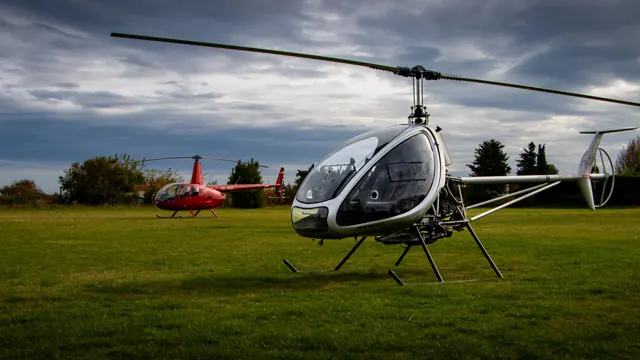
A Belgian light helicopter with two seats arranged side by side.
A box-shaped utility twin whose cabin and rear access are central to its design.
A super-midsize business jet with a swept wing, rear-mounted engines and an integrated glass cockpit.
A single-engine turboprop workhorse for passenger services, freight and remote-area transport.
A large amphibious flying boat built around maritime rescue and utility transport.
A long-range twin designed around a new wide-body airframe and extensive composite construction.
Japan’s postwar regional turboprop, with Rolls-Royce Dart power and a career spanning passenger, freight and specialist government flying.
A First World War trainer that became a familiar sight in the barnstorming era.
A jet-powered military transport designed for both strategic loads and tactical airfield access.
A tailwheel utility single built around a high wing and a substantial working cabin.
A compact racing aeroplane built around a large radial engine and very short fuselage.
A wartime fighter developed from the earlier Curtiss P-36.
A four-engine military turboprop designed to combine tactical access with long-distance transport.
A pioneering light helicopter whose bubble cabin and exposed structure became widely recognisable.
A modern utility single whose family includes both tailwheel and nosewheel configurations.
A two-seat composite trainer with a low wing and a large canopy.
A carrier-capable multirole fighter, larger than the earlier Hornet from which it developed.
A long-range trijet developed from the DC-10 with a stretched fuselage and revised wing and cockpit.
An enclosed, two-seat autogyro with side-by-side seating and a pusher propeller.
New aircraft, useful sources and improvements to AirframeDB. Occasional updates, when there’s something to share.