X-Plane
De Havilland DHC-1 Chipmunk ↗
A Canadian tandem-seat trainer developed after the Second World War.
1 implementations+ Compare
Explore the aircraft. Find your simulator. Follow the sources.
A Canadian tandem-seat trainer developed after the Second World War.
A twin-turboprop regional airliner developed through Swedish and American industrial cooperation.
A heavy transport helicopter whose two large rotors remove the need for a tail rotor.
A single-engine turboprop workhorse for passenger services, freight and remote-area transport.
A Polish utility aircraft designed for short takeoffs and landings.
Airbus's first production aircraft, built around a twin-engine wide-body layout.
A stretched development of the DC-9 with rear-mounted engines and a five-abreast cabin.
A six-engine heavy transport created for exceptionally large external and internal loads.
A modern utility single whose family includes both tailwheel and nosewheel configurations.
A compact two-seat light aircraft with a high wing and a wide range of development variants.
A push-pull twin with one engine at each end of the central fuselage.
A long-range strategic bomber with a swept wing and eight jet engines in paired pods.
The second-generation Harrier, designed around vectored thrust and short-field operation.
The Huey: a turbine-powered utility helicopter with a broad cabin and an unmistakable two-bladed rotor.
A five-seat composite single whose development led to the diesel DA50 RG.
A two-seat powered hang-glider trike with an open cockpit.
Grumman’s small twin-engine amphibian: a flying boat with retractable wheels and a life spanning wartime service, private travel and seaplane training.
A late-war single-seat jet fighter with its engine mounted above the fuselage.
An advanced trainer known around the world as the Texan, Harvard and SNJ.
A swept-wing business jet designed around high subsonic cruise speed.
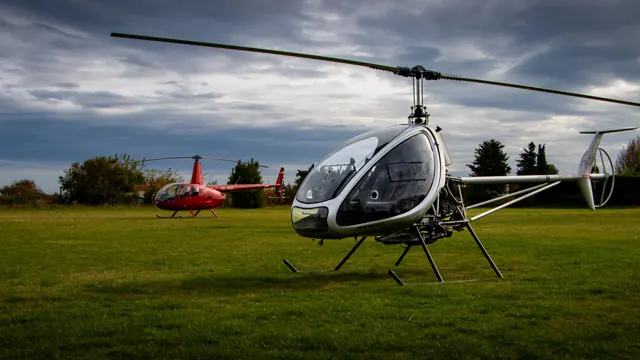
A Belgian light helicopter with two seats arranged side by side.
The retractable member of Beechcraft’s Musketeer family: a roomy, four-cylinder travelling aircraft with an unusually large baggage door.
A tandem-seat development of Scheibe’s touring motorglider family.
A shorter wide-body Airbus from the transition to two-pilot, electronic-instrument cockpits.
New aircraft, useful sources and improvements to AirframeDB. Occasional updates, when there’s something to share.