MSFS
Lockheed L-1011 TriStar ↗
Lockheed's wide-body TriStar, with three RB211 engines and a distinctive tail intake.
1 implementations+ Compare
Explore the aircraft. Find your simulator. Follow the sources.
Lockheed's wide-body TriStar, with three RB211 engines and a distinctive tail intake.
A tandem-seat canard homebuilt with a pusher engine and distinctive winglets.
A swept-wing business jet designed around high subsonic cruise speed.
Epic's experimental light-jet project, represented in simulation by Aerobask.
Avro's delta-wing bomber, developed for Britain's postwar strategic force.
A post-war Czech light twin with a rounded cabin and engines carried on a low wing.
A family of single-aisle airliners built around sidesticks, electronic flight controls and a shared cockpit.
A four-engine airliner that brought pressurised-cabin travel into scheduled service.
Three fictional aircraft for exploring X-Plane’s atmosphere, terrain and extreme flight regimes.
A box-shaped utility twin whose cabin and rear access are central to its design.
Cirrus's first type-certified aircraft, a composite piston single.
A six-seat composite single turboprop with a pressurised cabin and retractable gear.
A tandem two-seat sailplane family used for training and cross-country soaring.
A four-seat high-wing single that spans generations of conventional instruments and glass cockpits.
Japan’s postwar regional turboprop, with Rolls-Royce Dart power and a career spanning passenger, freight and specialist government flying.
The Huey: a turbine-powered utility helicopter with a broad cabin and an unmistakable two-bladed rotor.
A four-engine Airbus wide-body developed in parallel with the A330.
A four-bladed utility helicopter developed from the LongRanger lineage.
A small observation-helicopter family with a rounded cabin and compact rotor system.
The purpose-built Ryan monoplane used by Charles Lindbergh for his 1927 solo Atlantic crossing.
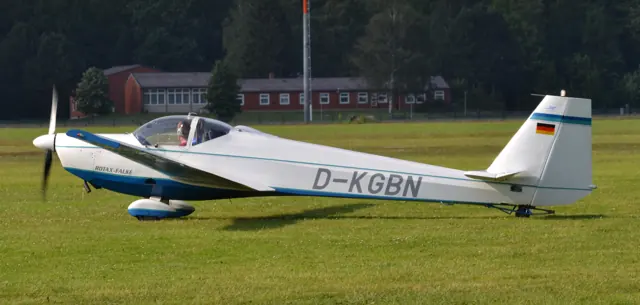
A side-by-side touring motorglider used for both powered flying and soaring.
A long-running touring single, familiar in both V-tail and conventional-tail forms.
A wartime fighter developed from the earlier Curtiss P-36.
A carrier-capable multirole fighter, larger than the earlier Hornet from which it developed.
New aircraft, useful sources and improvements to AirframeDB. Occasional updates, when there’s something to share.