MSFS
Airbus Helicopter H225 ↗
A large twin-engine helicopter from the Super Puma line, used for offshore and public-service work.
1 implementations+ Compare
Explore the aircraft. Find your simulator. Follow the sources.
A large twin-engine helicopter from the Super Puma line, used for offshore and public-service work.
A three-engine airliner that became a mainstay of Soviet and Russian passenger transport.
A full-length double-deck airliner built for very high passenger capacity.
A retractable-gear touring single with an all-metal airframe and a long-lived enthusiast following.
A long-range strategic bomber with a swept wing and eight jet engines in paired pods.
A tandem two-seat sailplane family used for training and cross-country soaring.
The H130 utility helicopter, descended from the AS350 and fitted with a Fenestron.
A low-wing agricultural Cessna with a cockpit and hopper arranged around the job.
A cabin biplane with the lower wing placed ahead of the upper one.
The turboprop-powered member of Beechcraft’s tandem-seat Mentor training family.
A composite two-seat light sport aircraft with an unobstructed cantilever high wing.
A four-abreast regional-jet family spanning the E170, E175, E190 and E195.
A two-seat powered hang-glider trike with an open cockpit.
An Italian light aircraft known for military training and aerobatic use.
A compact utility helicopter distinguished by its enclosed Fenestron tail rotor.
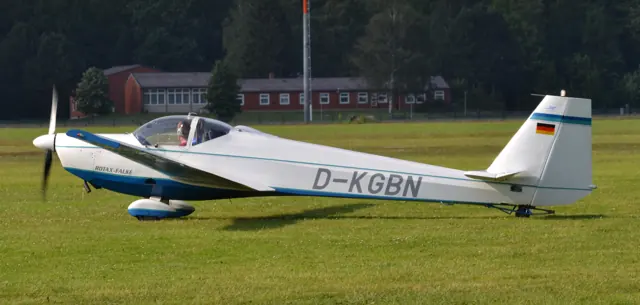
A side-by-side touring motorglider used for both powered flying and soaring.
A slender supersonic trainer with tandem seats and two small afterburning turbojets.
A compact Japanese twin turboprop with a high wing and pressurised cabin.
SOCATA's touring-aircraft family, including the Tobago and Trinidad.
Embraer's regional-jet family, from the ERJ 135 to the longer ERJ 145.
Diamond's four-seat light twin, developed with diesel-powered versions.
A compact aerobatic biplane family with both single-seat and tandem-seat branches.
A four-engine airliner that brought pressurised-cabin travel into scheduled service.
A shorter wide-body Airbus from the transition to two-pilot, electronic-instrument cockpits.
New aircraft, useful sources and improvements to AirframeDB. Occasional updates, when there’s something to share.