MSFS
Dauphin AS365 / HH-65 ↗
A streamlined twin-engine helicopter with a Fenestron tail rotor and retractable landing gear.
1 implementations+ Compare
Explore the aircraft. Find your simulator. Follow the sources.
A streamlined twin-engine helicopter with a Fenestron tail rotor and retractable landing gear.
The purpose-built Ryan monoplane used by Charles Lindbergh for his 1927 solo Atlantic crossing.
Pipistrel's streamlined four-seat composite-aircraft design.
A twin-turboprop utility aircraft developed by Reims Aviation with Cessna.
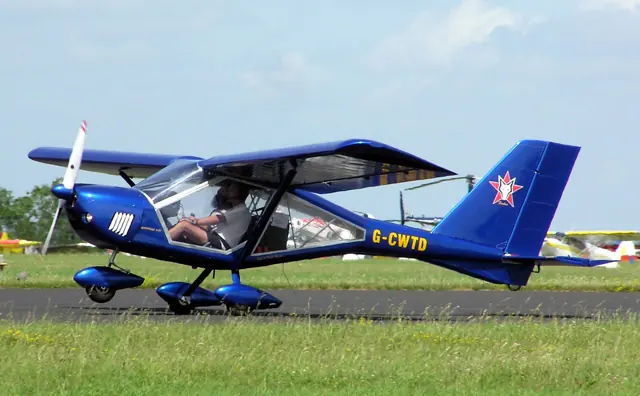
A high-wing light sport aircraft with a broad glazed cabin and tricycle landing gear.
A long-range twin whose programme emphasised composite construction and more electrically powered systems.
The second-generation Harrier, designed around vectored thrust and short-field operation.
BRM Aero's two-seat B23, represented in MSFS by Airfoillabs.
A large long-haul twin that introduced Boeing's first commercial fly-by-wire airliner flight controls.
Japan’s postwar regional turboprop, with Rolls-Royce Dart power and a career spanning passenger, freight and specialist government flying.
A pressurised four-engine piston transport from the last major generation before the jet airliner.
Three fictional aircraft for exploring X-Plane’s atmosphere, terrain and extreme flight regimes.
An all-metal sport and touring aircraft from Bayerische Flugzeugwerke.
An advanced trainer known around the world as the Texan, Harvard and SNJ.
A pioneering all-metal transport with an enclosed passenger cabin and corrugated skin.
A family of single-aisle airliners built around sidesticks, electronic flight controls and a shared cockpit.
A four-seat touring family whose Commander 114 added a larger engine and further refinements.
A long-running touring single, familiar in both V-tail and conventional-tail forms.
A Canadian tandem-seat trainer developed after the Second World War.
Dassault's long-range Falcon 8X, developed from the three-engine 7X.
An Italian light aircraft known for military training and aerobatic use.
A Swedish reconnaissance and dive-bombing aircraft from the early 1940s.
A small two-seat piston helicopter with a two-bladed main rotor.
A box-shaped utility twin whose cabin and rear access are central to its design.
New aircraft, useful sources and improvements to AirframeDB. Occasional updates, when there’s something to share.